
How to Explore a New Country Beyond the Tourist Spots: Discover Authentic Experiences and Hidden Gems

Exploring a new country can often mean following the well-trodden path of tourist attractions, but there’s much more to experience beyond these spots. To truly immerse oneself in a destination, seek local neighborhoods, try street food, and engage with the community. These actions provide a richer understanding of the culture and daily life of the people who call that place home.

Local markets, hidden cafes, and off-the-beaten-path museums offer unique insights that popular sites cannot. Travelers can connect with residents who share stories and recommendations that aren’t found in guidebooks. These interactions can transform a trip from a superficial visit into an authentic experience.

Discovering a country through its lesser-known areas can lead to unexpected adventures and memorable encounters. By stepping outside the typical tourist experience, one can gain a deeper appreciation for the unique characteristics that define a place.

Prioritizing Off-the-Beaten-Path Exploration

Exploring a new country beyond its well-known tourist attractions can provide a richer, more authentic experience. Hidden gems often offer unique insights into local culture and life, rewarding travelers with memories that are often more meaningful.

Understanding the Appeal of Hidden Gems

Hidden gems are appealing because they often embody the true essence of a destination. These spots frequently reflect the traditions, lifestyles, and culinary delights of local communities. They can provide a sense of adventure, as travelers discover places that are less frequented by tourists.

For example, visiting a local market instead of a famous landmark allows travelers to engage with the culture directly. Interactions with locals can lead to unexpected conversations and insights that enrich the travel experience. Additionally, fewer crowds mean a more peaceful atmosphere, allowing for deeper connections with the surroundings.

Identifying Unique Local Experiences

Finding unique local experiences requires some research and a willingness to explore. Travelers can use various resources such as social media, blogs, and travel forums to discover recommendations. Engaging with locals through community events or workshops can also reveal lesser-known activities.

Consider activities such as cooking classes, artisanal workshops, or guided tours led by locals. These experiences often showcase regional specialties and provide hands-on immersion. Additionally, travelers can explore lesser-known natural attractions, such as hidden waterfalls or secluded beaches, which can provide a refreshing break from the usual tourist spots.

Avoiding Tourist Hotspots Effectively

To avoid tourist hotspots, travelers should consider visiting during off-peak seasons or at unconventional times. Early mornings or late afternoons often help in minimizing encounters with crowds. Creating a flexible itinerary with alternative destinations is crucial. Prioritize exploring neighborhoods that are not highlighted on standard travel itineraries. Utilizing maps or apps that focus on local attractions can also guide travelers to explore more authentic areas.

Ultimately, by intentionally seeking out off-the-beaten-path experiences, travelers can create a unique narrative of their journey that goes beyond common vacation spots.

Discovering Authentic Nature and Adventure

Exploring a country’s authentic nature often involves seeking out its less-traveled paths. Some places offer breathtaking landscapes, while others present unique outdoor activities that provide a genuine experience. Mountains, lakes, beaches, and natural phenomena await discovery.

Exploring Mountains and Alpine Regions

Mountains provide a stunning backdrop for adventure. The Alps, known for their dramatic peaks and picturesque villages, offer numerous activities. Hiking trails range from gentle walks to challenging climbs, each with breathtaking views.

In addition to hiking, skiing is a popular choice. Ski resorts in regions such as the Swiss Alps provide opportunities for both winter sports enthusiasts and those looking to relax in nature. Wildlife spotting, such as chamois and marmots, adds another layer to mountain exploration. Travelers seeking seclusion may find hidden valleys and pristine trails. These areas often allow for a deeper connection with the landscape.

Lakes, Beaches, and Rainforests Beyond the Guidebooks

Lakes and beaches provide tranquil escapes from bustling tourist spots. For instance, destinations like Lake Bled in Slovenia combine stunning scenery with opportunities for outdoor activities such as kayaking or paddleboarding.

Rainforests offer a unique adventure. Experiences in locations like Costa Rica include zip-lining through the canopy or guided hikes to discover diverse wildlife, including sloths and colorful birds. Lesser-known beaches often boast crystal-clear waters and beautiful surroundings. Travelers can often find untouched stretches of sand ideal for relaxation or exploring marine life through snorkeling.

Chasing Natural Wonders: Northern Lights and the Midnight Sun

The Northern Lights are a breathtaking phenomenon. Regions like Iceland and northern Canada offer excellent vantage points for viewing this natural light display, typically between September and April. Tour guides often take travelers to remote locations away from city lights for the best experience.

Conversely, the Midnight Sun occurs in places within the Arctic Circle during summer months. In places like Norway, the sun never sets, allowing for extended opportunities to explore nature. Hiking, fishing, and camping under the constant daylight can be both exhilarating and peaceful. Engaging with these natural wonders enhances an appreciation for a country’s unique environment and provides lasting memories.

Connecting with Local Culture and Communities

Engaging with local communities enhances travel by offering genuine insights into a country’s culture. Immersing in authentic experiences fosters connections that go beyond typical tourism.

Engaging With Residents for Deeper Insights

To truly connect with a place, engaging with its residents is essential. In Tbilisi, for instance, she can participate in neighborhood tours guided by locals, which often include visits to lesser-known areas. These tours provide perspectives on daily life, traditions, and local events.

Joining community workshops—such as pottery or traditional Georgian dance classes—allows deeper engagement. This interaction fosters connections and provides insight into local values and customs. Conversations with shop owners or café workers often reveal hidden gems and personal stories that enrich the travel experience.

Experiencing Authentic Cuisine and Traditions

Sampling local cuisine is a vital aspect of experiencing Georgia. He can seek out family-run restaurants or street vendors that offer regional dishes like khinkali or khachapuri. Engaging with locals about their culinary traditions can lead to discovering unique recipes or dining experiences that tourists typically overlook.

Attending local festivals can also provide a taste of authentic traditions. Events like Tbilisi’s traditional wine festival showcase local foods paired with cultural performances. This culinary exploration fosters connections to the community while enjoying the rich flavors of Georgian culture.

Exploring Historical Sites and Unique Architecture

Exploring Tbilisi’s architectural landscape offers insights into its history. The city is renowned for its blend of styles, from medieval churches to modern structures. Visiting lesser-known sites, such as the Narikala Fortress, allows travelers to appreciate the artistry and historical significance without the crowds.

It is beneficial to join guided heritage walks focusing on Tbilisi’s unique architecture. These tours often highlight the influences of different cultures, shedding light on the country’s diverse history. This historical exploration leads to a deeper understanding of the city and its evolution over time.

 

How to Deal with Language Barriers While Traveling: Essential Tips for Smooth Communication

Traveling to new places often comes with exciting adventures, but it can also present challenges, particularly when it comes to communication. To effectively deal with language barriers while traveling, individuals can utilize translation apps, learn basic phrases, and consider gestures, which bridge communication gaps. These strategies not only facilitate interactions but also enhance the travel experience.

Many travelers face the frustration of not being able to communicate their needs or desires when visiting a country with a different language. With the right tools and approaches, such as downloading useful apps or carrying pocket phrasebooks, they can navigate foreign environments more confidently. Developing a few essential phrases in the local language can also show respect and willingness to engage with the culture.

Ultimately, overcoming language barriers enriches travel and allows for deeper connections with people in unfamiliar places. Embracing the challenge can lead to memorable experiences that might not arise in a purely English-speaking environment.

Understanding Language Barriers in Travel

Language barriers present significant challenges for travelers, impacting how they communicate and connect with locals. Recognizing these challenges can enhance one’s travel experience and pave the way for meaningful interactions.

Common Challenges Faced by Travelers

Travelers often encounter misunderstandings due to differences in language. Many may struggle with basic interactions, such as ordering food or asking for directions. This can lead to frustration and missed opportunities.

Moreover, limited vocabulary can hinder deeper conversations, preventing travelers from engaging fully with local cultures. Symbols or gestures might help, but they are not always reliable and can lead to misinterpretation. Lastly, relying solely on translation apps can be problematic. Technical glitches or poor translations can compound the difficulty of effective communication, making it crucial to explore other methods.

The Importance of Communication with Locals

Effective communication significantly enriches the travel experience. When travelers engage with locals, they gain insights into the culture, traditions, and viewpoints of the destination. This interaction creates opportunities for authentic experiences.

Building rapport with locals can also lead to recommendations for hidden gems, such as off-the-beaten-path restaurants or local festivals. These suggestions often provide travelers with unique memories that are not found in guidebooks. Furthermore, expressing a willingness to learn simple phrases in the local language can foster goodwill. Even small efforts can break the ice and encourage locals to assist in navigating cultural nuances.

Enhancing the Travel Experience through Meaningful Interactions

Meaningful interactions can turn a routine trip into an unforgettable adventure. When travelers make an effort to communicate, they often discover shared interests and personal stories, deepening their understanding of the locale.

Participating in local events, classes, or workshops can further bridge the language gap. This involvement allows for hands-on experiences and community connections that enrich the travel narrative.

Additionally, utilizing language exchange platforms can help establish meaningful connections ahead of arrival. By initiating conversations before the trip, travelers can secure local insights, facilitating a smoother arrival and integration.

Essential Strategies for Overcoming Language Barriers

When traveling, effective communication is crucial for a smooth experience. Implementing essential strategies can significantly reduce the challenges posed by language differences. This section outlines practical methods such as learning key phrases, utilizing tools, and planning for specific needs.

Learning Basic Phrases and Greetings

Acquiring a few basic phrases in the local language can greatly enhance communication. Simple words and greetings create rapport and demonstrate respect for the culture. Common phrases like “hello,” “thank you,” and “please” are vital. Additionally, knowing how to ask for directions or assistance can be invaluable.

Travelers should consider language guides that list basic vocabulary and localized expressions. Spending time on learning these phrases can lead to more meaningful interactions while navigating a foreign environment.

Using Phrasebooks and Pocket Dictionaries

Phrasebooks and pocket dictionaries serve as practical tools for overcoming language barriers. These resources contain essential phrases and vocabulary tailored for travelers.

Travelers can refer to them for various scenarios, such as ordering food, asking for directions, or handling emergencies. These tools often include phonetic pronunciations to assist with speaking. A compact phrasebook is easy to carry and quick to consult. Many modern versions also focus on common phrases, helping travelers communicate more effectively.

Leveraging Language Learning Apps

Language learning apps like Duolingo and Babbel make it easier for travelers to acquire the basics on the go. With engaging interfaces, these apps promote quick learning of essential vocabulary and phrases.

A variety of topics like travel, dining, and common conversations are covered within these platforms. Users can practice speaking and listening, enhancing their confidence in real-life interactions. Setting aside a few minutes daily to use these apps leads to improved language skills, enabling smoother communication during trips.

Preparing for Dietary Needs and Allergies

Understanding local terms related to dietary restrictions can prevent health issues while traveling. Knowing how to communicate allergies in the local language is crucial for safety. Travelers should learn specific words for common allergens such as gluten, nuts, and dairy. These terms should be included in phrasebooks or written down for easy reference.

Additionally, travelers might consider printing cards that detail their dietary needs in the local language. Sharing these cards with restaurant staff can clarify food choices and avoid potential health risks.

Utilizing Technology and Visual Tools

Travelers can enhance their experiences by effectively using technology and visual tools to navigate language barriers. These resources provide solutions that facilitate communication, ensuring a smoother journey.

Translation Apps and Text Translation

Translation apps serve as essential tools for travelers. Applications like Google Translate, iTranslate, and Microsoft Translator allow users to type text or speak phrases in their native language for immediate translation.

These apps often support multiple languages and dialects. Furthermore, features such as voice translation and photo translation of signs enhance usability in real-world situations. The convenience of these applications makes them vital for interactions, whether ordering food or asking for directions.

Google Translate and Offline Tools

Google Translate is a reliable choice for many travelers. It offers real-time text and voice translation across several languages. One of its key features is the ability to download specific languages for offline use.

This is especially useful in areas with limited internet connectivity. Users can translate text from images using the camera function. By pointing their device at signs or menus, they can receive instant translations, simplifying communication.

Visual Aids and Maps

Visual aids such as maps can be critical in overcoming language barriers. Maps often include universally recognizable symbols that communicate vital information. Travelers can benefit from paper maps, which do not require internet access.

In addition, visual guides, such as pictograms or infographics, provide clarity when communicating needs in areas like healthcare and transportation. Incorporating images can bridge gaps when words fail, helping travelers navigate unfamiliar environments efficiently.

Tourist Information Centers

Tourist information centers are valuable resources for travelers facing language challenges. Typically located in popular tourist areas, these centers employ multilingual staff. Visitors can receive assistance in various languages, making it easier to obtain directions, recommendations, and local insights.

Additionally, these centers often provide brochures, maps, and other visual materials in multiple languages. Utilizing tourist information centers can streamline the travel experience and help resolve communication issues quickly and effectively.

Effective Non-Verbal and Interpersonal Communication

Non-verbal communication plays a crucial role when navigating language barriers. By utilizing effective gestures, body language, and positive interpersonal interactions, travelers can enhance their communication experience and foster understanding across cultures.

Gestures and Body Language

Gestures often convey meanings that words cannot. Simple actions like waving, nodding, or pointing can help express feelings or directions.

Travelers can benefit from familiarizing themselves with local gestures. For instance, the thumbs-up gesture may be positive in one culture, while offensive in another.

Key tips for using gestures effectively:

  • Observe locals: Notice how natives communicate non-verbally.
  • Use universal gestures: Smiling is widely understood and can ease tensions.
  • Be cautious: Misinterpreting gestures can lead to confusion.

Adapting body language is equally important. Open posture and maintaining appropriate eye contact can signal engagement and respect.

Non-Verbal Communication and Facial Expressions

Facial expressions are a powerful form of non-verbal communication. A genuine smile can invite warmth and encourage dialogue, even when spoken language fails. Travelers should pay close attention to the facial cues of others. For example, raised eyebrows might indicate surprise or questioning.

Facial expressions to use:

  • Smiling: Universally conveys friendliness.
  • Frowning: Indicates discontent or confusion.
  • Surprise: Often depicted by wide eyes and open mouth, signaling interest.

It’s essential to remain aware of the context. A puzzled expression may prompt someone to offer assistance, while a relaxed smile can create a welcoming atmosphere.

Cultivating a Positive Attitude and Patience

A positive attitude can significantly reduce the stress associated with communication barriers. Travelers should approach interactions with an open mind and a willingness to learn. Staying calm is vital when misunderstandings occur. Frustration can hinder effective communication, so deep breaths can help manage emotions.

Methods to cultivate positivity:

  • Practice patience: Allow extra time for conversations.
  • Mistakes are learning opportunities: Embrace errors as part of the travel experience.

By maintaining composure, individuals may navigate challenges more effectively. A relaxed demeanor encourages reciprocation, fostering a connection with locals.

Cultural Sensitivity and Respect

Understanding cultural differences is essential to effective communication. Such sensitivity contributes to respectful interactions and fosters goodwill. Before traveling, individuals should research customs and etiquette unique to the destination. This knowledge helps avoid behaviors that might be deemed offensive.

Key aspects of cultural sensitivity:

  • Be aware of norms: Different cultures have unique communication styles.
  • Adapt to local customs: Simple adjustments can enhance interactions.
  • Show respect: Acknowledge local traditions and practices.

By approaching interactions with respect and understanding, travelers can create meaningful connections. This builds rapport, enriching the experience and fostering cultural exchange.


Best Cultural Experiences to Seek Out Abroad: Discover Unique Traditions and Rich Heritage

Traveling abroad offers more than just sightseeing; it provides a gateway to vibrant cultures and unique experiences that enrich one’s understanding of the world. The best cultural experiences to seek out abroad include engaging with local traditions, participating in festivals, and savoring authentic cuisines. These immersive encounters not only create lasting memories but also foster connections with the people and places that define each destination.

Exploring local markets, attending traditional performances, and visiting historical landmarks are all essential components of cultural travel. Each activity offers insights into the daily lives of locals, showcasing the customs and values that shape their society. Travellers can transform their trips into profound experiences by actively participating in these cultural exchanges.

Engaging in community-based tourism initiatives allows visitors to support local economies while gaining a deeper appreciation for diverse lifestyles. Every journey can transform into a meaningful adventure when individuals seek opportunities to learn from and connect with the cultures they encounter.

What Defines the Best Cultural Experiences Abroad?

The best cultural experiences abroad are shaped by deep engagement with local cultures, meaningful interactions with communities, and opportunities for personal growth. Each of these elements contributes significantly to a traveler’s understanding and appreciation of the world.

Immersing in Local Culture

Immersing in the local culture is essential for meaningful experiences. Travelers should seek out opportunities such as cooking classes, traditional music performances, or art workshops to gain firsthand knowledge.

Participating in festivals can provide insight into cultural traditions and values. Engaging with local customs through activities like volunteering or joining guided heritage walks deepens the connection. Such experiences allow for authentic interactions that go beyond typical tourism.

Interaction with Local Communities

Interaction with local communities is key to enriching cultural travel. Meeting residents can lead to valuable exchanges and a better understanding of their way of life.

Staying in homestays or guesthouses fosters personal relationships. Joining community events or dialogues further enhances this engagement. These interactions create lasting memories and insights into everyday life, helping travelers to transcend cultural barriers.

Personal Growth Through Cultural Travel

Personal growth is a significant aspect of cultural travel. Travelers often leave their comfort zones, which encourages adaptability and open-mindedness. Exposure to differing perspectives challenges preconceived notions and fosters empathy. As they navigate new environments, individuals develop problem-solving skills and resilience. This journey of self-discovery can lead to a profound appreciation for diversity and the shared human experience.

Must-Try Cultural Experiences Around the World

Travelers looking for authentic cultural experiences will find rich opportunities through festivals, historical sites, and local markets. These activities immerse visitors in the unique traditions and flavors of each destination.

Participating in Festivals and Cultural Celebrations

Participating in local festivals lets travelers engage with a community’s heritage. Events like the Rio Carnival in Brazil showcase vibrant costumes, music, and dance. Likewise, Diwali in India celebrates the festival of lights with fireworks and lanterns.

Cultural gatherings often include unique rituals and performances, offering insights into local values. For example, the Coming of Age ceremony in the Maasai culture provides a glimpse into traditions centered on transition and identity.

Food plays a significant role, where local delicacies are showcased. Visitors may sample dishes that reflect the region’s culinary history. Engaging in these celebrations fosters deeper connections with locals and their customs.

Visiting Historical Sites and Landmarks

Historical sites present an opportunity to witness humanity’s past. Iconic landmarks like the Colosseum in Rome and the Great Wall of China offer not only stunning views but also rich stories. These sites help visitors understand a nation’s identity.

Exploring ancient ruins, such as Machu Picchu in Peru, reveals the ingenuity of prehistoric civilizations. Museums add to the experience, offering exhibitions that detail historical events and cultural evolutions.

Tour guides often enhance these visits, providing context and anecdotes that bring history to life. Whether it’s ancient artifacts or iconic monuments, these places are essential to understanding a country’s legacy.

Exploring Local Markets and Street Food

Local markets offer a sensory overload of sights and smells. Vibrant stalls display handmade crafts and artifacts, showcasing local artistry. Markets provide travelers an opportunity to purchase unique souvenirs while interacting with artisans.

Street food, an essential part of culture, allows visitors to taste authentic dishes. Markets like the Tsukiji Outer Market in Tokyo or Borough Market in London are famous for their variety. From tacos in Mexico to dumplings in Thailand, street food reflects the region’s flavors.

Cooking classes often accompany market tours, teaching visitors how to prepare traditional dishes. This hands-on experience allows travelers to connect further with local culinary techniques and ingredients.

Iconic Global Destinations for Cultural Immersion

Travelers seeking authentic cultural experiences will find rich traditions in Asia and vibrant celebrations in Latin America. Europe and Central Asia offer deep-rooted heritages that invite exploration and understanding.

Experiencing Traditions in Japan and China

Japan and China are renowned for their unique cultural landscapes. In Japan, visitors can engage in traditional tea ceremonies, witness the elegance of kimono-clad locals, and explore historic temples representing Buddhism and Shinto. Cities like Kyoto and Tokyo offer a blend of ancient traditions and modern life.

China boasts a wealth of cultural experiences, from the bustling streets of Beijing to serene landscapes in rural areas. Travelers can partake in the Chinese New Year festivities, where vibrant parades and family gatherings highlight the importance of heritage. The Great Wall and the Forbidden City further showcase the country’s rich historical narrative.

Celebrating Culture in Brazil, Argentina, and Mexico

Brazil, Argentina, and Mexico stand out for their lively cultural celebrations. In Brazil, the Rio Carnival is a spectacular event filled with samba music, elaborate costumes, and street parties that attract millions. This festival exemplifies the country’s diverse cultural influences and vibrant spirit.

Argentina, particularly Buenos Aires, is known for tango, a passionate dance reflecting its cultural essence. Visitors can enjoy milongas, where locals dance and socialize, and indulge in traditional Argentine cuisine, such as empanadas and asado.

Mexico’s rich cultural tapestry includes festivals like Día de los Muertos, where families honor deceased loved ones with colorful altars. Mexican culture is celebrated through its food, music, and art, with each region offering unique customs and traditions.

Discovering Heritage in Europe and Central Asia

Europe and Central Asia provide a fascinating glimpse into historical legacies. Italy boasts cities steeped in art and history, such as Florence and Rome, where Renaissance masterpieces abound. Culinary experiences are also significant, with local specialties like pasta and gelato enhancing cultural immersion.

Germany offers notable celebrations like Oktoberfest, where beer culture and Bavarian traditions come to life. Travelers can explore historical sites and experience the blend of modern life with deep-rooted customs.

In Central Asia, Georgia and Kyrgyzstan provide unique insights into ancient traditions. Visitors can experience Georgian feasts called supra, showcasing local wines and hearty dishes. Kyrgyzstan’s nomadic culture can be explored through yurt stays and horseback riding in stunning landscapes, embracing a way of life that has endured for centuries.

Essential Tips to Enhance Your Cultural Travel

To enhance cultural travel experiences, travelers should seek authentic interactions and engage meaningfully with local communities. Exploring artisan crafts and choosing homestays are key ways to connect with the culture. Leveraging travel guides can also provide valuable insights that deepen understanding and appreciation.

Choosing Authentic Experiences and Artisans

Seeking authentic experiences often begins with finding local artisans. Travelers should look for workshops, markets, or galleries that showcase traditional crafts. For instance, pottery classes or weaving workshops offer hands-on participation.

Key Considerations:

  • Research Locally: Online platforms and social media can help identify artisans and their work.
  • Ask for Recommendations: Locals can often point to lesser-known but significant cultural experiences.
  • Support Fair Trade: Purchase directly from artisans to ensure they benefit from your support.

By engaging directly with artisans, travelers gain a meaningful understanding of local traditions and crafts.

Engaging with Local Communities Through Homestays

Homestays provide a unique opportunity to reside within and interact with local families. This experience often leads to deeper cultural immersion compared to standard accommodations.

Benefits of Homestays:

  • Cultural Exchange: Staying with a family may involve meals or festivals, allowing travelers to experience daily life authentically.
  • Language Practice: Engaging with hosts can enhance language skills and improve communication.
  • Personal Connections: Building relationships fosters a lasting appreciation for the culture.

Choosing a reliable homestay program ensures that the experience benefits both the traveler and the host family.

Using a Travel Guide to Deepen Understanding

A knowledgeable travel guide can enhance cultural experiences by sharing historical context and local customs. Guides help travelers navigate unfamiliar environments and avoid common pitfalls.

Advantages of Using Travel Guides:

  • Tailored Experiences: Guides can curate personalized itineraries that focus on specific interests.
  • In-depth Knowledge: Their insights reveal hidden gems, stories, and traditions that tourists may miss.
  • Safety and Ease: Guides often provide guidance on local customs, which helps travelers communicate respectfully.

Utilizing a travel guide can greatly enrich cultural travel by bridging the gap between visitors and local cultures.


What to Pack for an International Adventure: Essential Gear for a Smooth Journey

Preparing for an international adventure involves more than just booking flights and accommodations. It requires careful consideration of what to pack to ensure a smooth and enjoyable experience. A well-thought-out packing list can make the difference between a comfortable journey and one filled with unnecessary stress.

Travelers should begin by considering the destination’s climate and cultural norms. Essential items typically include versatile clothing, travel documents, and any required medical supplies. Packing lightweight, durable gear helps manage luggage weight while maximizing utility on the expedition.

Moreover, adventure travel often entails various activities, from hiking to city tours. Keeping this in mind, a good mix of outdoor and casual wear, along with appropriate footwear, enhances the travel experience. By tailoring their packing list to the specifics of their adventure, travelers equip themselves for success.

Essential Travel Documents and Identification

Traveling internationally requires careful preparation, especially regarding essential documents and identification. Having the right paperwork readily available ensures a smooth journey. Here is what is crucial to consider.

Passports and Required Visas

A valid passport is mandatory for international travel. It should be valid for at least six months beyond the planned return date. Travelers must verify the entry requirements for their destination countries. Many countries require a visa for entry, which can range from a tourist visa to a business visa.

To avoid confusion, compile a list of required visas and the application processes. This may include embassy contacts or online applications. It’s wise to carry a photocopy of the passport and visa, keeping them in a separate location for safety.

Travel Insurance and Health Documentation

Travel insurance is a critical document for any international trip. It covers unexpected events such as trip cancellations, medical emergencies, and lost belongings. Ensure the policy includes adequate medical coverage.

Health documentation is also vital. Travelers should carry a copy of their vaccination record, especially in regions with specific health requirements. If prescription medications are necessary, bring enough supply along with a doctor’s note.

Tickets, Reservations, and Boarding Passes

Flight tickets should be confirmed and printed or saved on a digital device. It’s advisable to keep an organized travel folder for these documents. Hotel reservations should include confirmation numbers for check-in ease.

Boarding passes, either printed or digital, must be accessible during check-in. Having backup copies can be beneficial in case of device issues. Travelers should also confirm transportation arrangements to and from the airport for a seamless transition.

ID, Credit Cards, and Local Currency

In addition to a passport, a secondary form of identification, like a driver’s license, may be necessary. It’s advisable to bring several payment options, including credit and debit cards. Ensure the cards have international acceptance.

Carrying local currency is essential for immediate expenses upon arrival, such as transportation or meals. Use a secure wallet to store cash and cards, dividing funds for extra security. An emergency contact list can be helpful, including numbers for banks and local authorities.

Luggage and Packing Strategies

Selecting the appropriate luggage and implementing effective packing strategies are crucial for an international adventure. These choices can impact comfort and convenience throughout the journey.

Choosing the Right Bags

Choosing the right luggage is essential for hassle-free travel. Key options include suitcases, backpacks, and carry-on bags.

  • Suitcases are ideal for longer trips with more clothing and gear. Look for durable materials and multi-directional wheels for easy maneuvering.
  • Backpacks are great for travelers prioritizing mobility. A daypack is useful for day trips and excursions.
  • A carry-on bag should be compact yet spacious enough for essentials. Airlines typically allow a maximum size of 22 x 14 x 9 inches.

Each traveler may prefer different bags based on their itinerary and personal style. It’s also wise to consider weight limits and airline restrictions when making a selection.

Packing Cubes and Organization Tools

Packing cubes are popular among seasoned travelers for their ability to streamline luggage organization. These compression bags can significantly optimize space.

They come in various sizes, allowing travelers to categorize items, such as:

  • Clothing (e.g., shirts, pants)
  • Toiletries (e.g., toothbrush, shampoo)
  • Electronics (e.g., chargers, cameras)

Incorporating organization tools like zippered pouches or packing folders can enhance efficiency. An empty bag can also be useful for dirty laundry or souvenirs collected during the journey.

Keeping items organized not only maximizes space but also makes it easier to find essentials without unpacking everything.

Weight Limits and Airline Restrictions

Awareness of weight limits and airline restrictions is crucial to avoid unexpected fees. Many airlines impose strict rules on both carry-on and checked luggage. Typical carry-on weight limits average around 15-22 pounds. Checked baggage often has a weight cap of 50 pounds.

  • Excess baggage fees can be significant, often reaching over $100 per extra pound.
  • Check the airline’s website for specific guidelines.

Travelers should weigh their bags before heading to the airport. Using a packing checklist can aid in staying within the allowable limits, minimizing the risk of overpacking.

Clothing and Weather-Appropriate Essentials

Packing the right clothing and weather-specific items is essential for a successful international adventure. This ensures comfort while exploring and prepares for unexpected weather changes.

Versatile Clothing and Layering

When packing clothes, versatility is key. Choose items that can be mixed and matched for different outfits. Neutral colors work best for easy coordination. Layering is crucial for adapting to varying temperatures. Start with moisture-wicking base layers. These keep sweat away from the skin during physical activities.

Add insulating layers, like fleece or lightweight jackets, that provide warmth. Finally, a waterproof outer layer is essential for rain protection. This combination allows for adjustments based on climate and activity levels.

Shoes and Footwear for Adventure

Comfortable walking shoes are a necessity for sightseeing and adventure travel. Look for shoes with good arch support and cushioning. Opt for breathable materials to keep feet dry during long excursions. In addition to daily footwear, consider bringing a pair of sandals for relaxation.

For hiking, sturdy, waterproof boots are recommended. They provide ankle support and traction on rugged terrain. Packing extra pairs of socks, especially compression socks, can enhance comfort and reduce fatigue.

Weather Protection and Accessories

Weather-appropriate clothing includes accessories that protect against the sun and rain. Sunglasses safeguard eyes from UV rays while exploring outdoor sights. Packing a wide-brimmed hat offers additional sun protection and keeps the face shaded.

Sunscreen is vital for preventing sunburn, even on cloudy days. Lip balm with SPF is also important to protect the lips. Lastly, including rain gear such as a lightweight poncho or rain jacket can ensure readiness for sudden downpours. These essentials can significantly enhance the travel experience by keeping individuals comfortable and sheltered from the elements.

Practical Travel Essentials and Comfort Items

Packing for an international adventure requires careful consideration of practical essentials and items that enhance comfort. This section covers personal toiletries, health items, tech gadgets, and comfort solutions for a smoother travel experience.

Personal Toiletries and Health Items

Traveling requires essential personal items to maintain hygiene and health. A hanging toiletries bag is highly recommended for organizing items efficiently. Key toiletries include:

  • Travel-sized toiletries: shampoo, conditioner, body wash, toothbrush, and toothpaste.
  • First aid kit: band-aids, antiseptic wipes, and pain relief medication.
  • Prescription medicine: ensure sufficient supply and carry a copy of prescriptions.

Consider including aerosols such as deodorant or sunscreen, keeping in mind airline restrictions. For personal comfort, pack items like tissues, hand sanitizer, and lip balm. A reusable water bottle is also practical for hydration throughout the journey.

Tech Gadgets and Power Solutions

Travelers increasingly rely on tech gadgets. Key devices often include a phone, laptop, tablet, or e-reader. A universal travel adapter is crucial for compatibility with different outlets. Consider a power bank for on-the-go charging, ensuring devices remain operational.

Beyond chargers, a portable charger ensures that gadgets stay powered during long travel days. Don’t overlook noise-canceling headphones, which provide comfort on flights or in noisy environments. Carrying a camera for capturing memories can add to the travel experience.

Convenience and Comfort On the Go

Convenience items greatly enhance travel comfort. A travel pillow or neck pillow provides essential support during long journeys. A daypack allows for easy access to snacks, a pen, and valuables during sightseeing.

Snacks can help maintain energy levels, while a waterproof phone case protects devices from potential damage. Compactly organizing personal items allows for better access. Prioritizing comfort essentials leads to a more enjoyable trip overall.


National vs International Travel: Understanding the Key Differences and Benefits

Travel has always been a way to explore new places, cultures, and experiences. The choice between national and international travel often depends on personal goals, budget, and time constraints. National travel offers a chance to discover the diverse landscapes and cultures within one’s own country, while international travel provides opportunities for global exploration and cultural immersion.

Domestic travel can be appealing due to its accessibility and lower cost, making it possible for many to take frequent trips. It allows travelers to appreciate local attractions and hidden gems without the complexities of international logistics. In contrast, international travel can expand one’s horizons, introducing them to different customs, languages, and cuisines.

Understanding the distinctions between national and international travel is crucial for planning meaningful journeys. Each option presents unique benefits and challenges that cater to varying preferences and travel styles.

Key Differences Between National and International Travel

National and international travel entail distinct experiences and requirements. Understanding these differences is crucial for travelers to prepare effectively and avoid potential pitfalls.

Definition and Scope

National travel refers to journeys taken within one’s own country. This includes domestic tourism and local explorations. Travelers generally know the cultural norms, language, and transport options available.

International travel involves visiting foreign countries. It comes with diverse regulations and cultural experiences. Understanding the destination’s customs, language barriers, and geographic context is essential for successful international trips.

Travel Documentation and Visa Requirements

National travel usually requires minimal documentation. A government-issued ID, like a driver’s license, suffices for identification. No visa is needed since travelers are within their home country.

In contrast, international travel often mandates various travel documents. A valid passport is essential for crossing borders. Many countries require visas depending on the traveler’s nationality and purpose of visit. Specific visa types include tourist, business, and student visas. Ensuring the timely acquisition of these documents is critical to avoid delays.

Currency and Financial Considerations

When traveling domestically, individuals use the local currency without the need for conversion. Financial transactions are typically straightforward, and familiar banking systems ease payment processes.

International travel introduces currency exchange challenges. Tourists must navigate different currencies and their fluctuating values. This often involves fees for conversion or withdrawal from ATMs abroad. Planning for travel expenses, including accommodation and activities, is vital for budget management. Being aware of exchange rates can prevent overspending and ensure travelers allocate resources wisely while abroad.

Experiences and Opportunities

Travel offers a wealth of experiences and opportunities that enrich one’s understanding of the world. By engaging with different cultures and exploring new destinations, travelers can gain unique insights and personal growth that shape their perspectives.

Cultural Immersion and Exchange

Traveling internationally allows individuals to immerse themselves in diverse cultures. Engaging in local traditions, whether through festivals or culinary experiences, fosters deeper connections with residents. Travelers can participate in language classes or workshops that highlight cultural heritage.

This exchange promotes mutual understanding. Visitors often gain firsthand insights into customs and lifestyles that textbooks cannot convey. Personal anecdotes of local life unveil the richness of varied cultural tapestries, fostering appreciation for global diversity.

Exploration and Discovery

Adventure awaits in both familiar and foreign lands. National travel often includes popular attractions, while international journeys lead to hidden gems. Discovering breathtaking natural wonders or exploring architectural marvels presents opportunities for unforgettable experiences.

Urban environments teem with historical landmarks that tell stories of bygone eras. Each journey becomes a personal quest driven by curiosity, leading to a profound sense of discovery that captures the essence of human exploration.

Unique Attractions and Destinations

Every destination offers distinctive attractions that reflect local culture and identity. International sites may feature UNESCO World Heritage sites, drawing attention to architectural significance.

National parks boast remarkable landscapes that showcase the beauty of nature, while cities often highlight modern innovations alongside historical edifices. Travelers gain access to unique experiences that provide perspectives unavailable in everyday life.

Personal Growth and Global Understanding

Travel can profoundly impact personal growth, expanding horizons in ways that everyday experiences may not. Exposure to different ways of living encourages empathy and adaptability, traits essential in today’s interconnected world.

Meeting individuals from varied backgrounds cultivates a sense of global understanding. This interaction enhances communication skills and nurtures friendships that transcend geographical boundaries. Personal experiences during travel often lead to lifelong learning and increased openness toward others.

Practical Considerations for Travelers

Travelers must weigh various practical factors when deciding between national and international trips. Key considerations include transportation options, accommodation quality, health and safety practices, and the convenience of familiar environments.

Transportation and Accessibility

Transportation varies significantly between national and international travel. Domestic flights are often shorter and may have more frequent schedules, making them easier to book last minute. Conversely, international flights usually require more planning due to limited availability and longer durations.

Accessibility plays a crucial role. Major cities often have comprehensive transport systems like subways and buses. Rural areas may lack public transportation, impacting travelers’ mobility. Researching local transport options can help travelers navigate unfamiliar places more efficiently.

Accommodation and Comfort

Accommodation choices differ greatly between national and international destinations. Domestic travel often allows travelers to choose from familiar hotel chains that provide a sense of comfort. In international scenarios, a diverse range of options is available, from boutique hotels to hostels.

Travelers should also consider location and proximity to attractions. Staying central can save time and reduce transportation costs. Checking online reviews and ratings can provide insights into quality and comfort levels, ensuring a satisfying stay.

Health, Safety, and Travel Insurance

Health and safety are paramount for travelers. International trips may require vaccinations and adherence to specific health guidelines. Researching destination-specific health risks is essential. Travel insurance is a key consideration. It can cover medical emergencies, trip cancellations, and lost luggage. Travelers should assess their needs and choose a policy that suits their specific situation, focusing on the destination’s unique risks.

Convenience and Familiarity

Convenience plays a significant role in travel decisions. National travel offers the advantage of cultural familiarity and ease of communication. This can reduce stress and enhance the overall experience.

International travel presents cultural experiences that some may find enriching or challenging. Language barriers and different customs can impact the ease of navigation. However, this novelty can also enrich a traveler’s understanding of diverse cultures and local economies.

Making the Right Choice: National vs International Travel

Deciding between national and international travel involves evaluating distinct benefits and challenges. Making an informed choice requires a self-reflection on personal preferences, interests, and the overall travel experience sought.

Weighing Benefits and Challenges

National travel often evokes a sense of national pride. Exploring local landmarks and cultures fosters appreciation for one’s own country. It typically involves shorter travel times, allowing for more flexible itineraries and less fatigue.

Conversely, international travel brings exposure to new cultures and experiences. It can enrich one’s understanding of global diversity. However, this often comes with longer travel times, increased costs, and potential visa complexities.

In contrast to national tourism, international travel can provide unique opportunities, such as immersive language experiences or culinary exploration. The choice hinges on weighing these aspects against personal comfort and financial considerations.

Understanding Personal Preferences

Personal preferences play a crucial role in choosing between national and international trips. Some travelers may prioritize ease of access and familiarity found in national destinations. They might appreciate the convenience of spontaneous travel plans. Others may seek adventure and cultural immersion, favoring international journeys. Experiences like visiting historical sites or engaging with local customs can be appealing.

Budget also influences this decision. National travel may often be more economical due to lower transportation costs. Alternatively, if someone is willing to allocate a larger budget, international travel can offer memorable experiences and unique adventures. In essence, travelers need to assess their motivations and resources when deciding where to go.


What Does Travel Insurance Cover? A Comprehensive Overview of Benefits and Protections

Travel insurance serves as a safety net for travelers, providing coverage for unexpected events that can disrupt trips. It typically covers trip cancellations, medical emergencies, lost luggage, and travel delays, ensuring travelers can navigate unforeseen circumstances with greater peace of mind. Understanding how travel insurance works is essential for making informed decisions about which policies to choose.

When purchasing travel insurance, individuals should read the policy details carefully to know what is included and excluded. Coverage can vary significantly between providers; some may offer extensive medical coverage, while others focus on trip cancellations or interruptions. Each destination may also impact the type of coverage needed, as certain regions come with higher risks.

Travel insurance becomes invaluable when searching for a way to protect investments in travel. With the right policy, travelers can mitigate potential financial losses and prioritize their safety and well-being during their journeys.

Understanding Travel Insurance Coverage

Travel insurance is designed to provide protection for various unexpected events that can occur before or during a trip. Key coverage areas include trip cancellations, medical emergencies, and baggage issues.

Types of Travel Insurance

There are several types of travel insurance, each focusing on specific aspects of travel protection.

  • Trip Cancellation Insurance: This covers non-refundable expenses if a trip is canceled due to unforeseen events such as illness or natural disasters.
  • Trip Interruption Insurance: It provides reimbursement for costs incurred when a trip is cut short, such as a return flight due to a family emergency.
  • Travel Medical Insurance: This is essential for covering medical expenses abroad, especially in countries where healthcare costs can be high.
  • Comprehensive Travel Insurance: This combines multiple types of coverage, including trip cancellation, medical emergencies, and baggage loss.
  • Annual Travel Insurance: This offers coverage for multiple trips throughout the year, making it a cost-effective option for frequent travelers.

Coverage Details

Travel insurance generally includes several key coverages, which can vary based on the policy purchased.

  • Trip Delay Coverage: Compensation can be provided for additional expenses due to unexpected delays, such as accommodation and meals.
  • Baggage Coverage: This protects against loss, theft, or damage to personal belongings while traveling.
  • Rental Car Coverage: This can cover damage to rental vehicles or liability in the event of an accident during the rental period.

These details help travelers understand what scenarios they are protected against and how to utilize their coverage effectively.

Limitations and Exclusions

While travel insurance offers important protection, it also includes limitations and exclusions that travelers should be aware of.

  • Pre-existing Conditions: Many policies will not cover medical issues that existed prior to purchasing the insurance.
  • Risky Activities: Coverage may be limited for high-risk activities such as extreme sports or adventure travel.
  • Policy Limits: Each coverage type has specific limits related to the maximum reimbursement amounts, which can affect payout during a claim.

Understanding these limitations is crucial for travelers to ensure they select the appropriate coverage for their needs and to avoid surprises during claims.

Key Benefits of Travel Insurance

Travel insurance provides essential protection for a range of unexpected events while traveling. Understanding these key benefits can help travelers make informed decisions about their coverage needs.

Medical Care and Evacuation

Medical care coverage is crucial for travelers. It typically involves expenses for doctor visits, hospital stays, and necessary medical treatments. Policies often include coverage for emergency medical evacuation, which is vital if a traveler requires transport to a hospital or back to their home country.

Travel medical coverage can vary significantly between policies. Some may cover pre-existing conditions under certain circumstances, while others might exclude them entirely. Additionally, many insurance plans feature a 24/7 emergency assistance hotline, connecting travelers with resources and support whenever needed.

Trip Cancellation and Interruption

Trip cancellation coverage allows travelers to recover non-refundable expenses if they cancel their trip for covered reasons. Common eligible reasons include illness, injury, or natural disasters. Policies may also cover the costs associated with trip interruption, such as returning home early due to emergencies.

“Cancel for any reason” (CFAR) coverage offers added flexibility. This option allows travelers to cancel for reasons not specifically covered by standard policies, typically covering 50-75% of the expenses. Travelers considering this option should note it often requires purchasing the policy within a specific timeframe after booking the trip.

Baggage and Personal Belongings

Baggage delay coverage provides reimbursement for essential items when luggage is delayed for a specified period. This coverage includes costs for clothing and toiletries, easing immediate inconveniences.

Lost luggage coverage offers financial protection in case personal belongings are lost or stolen. Travelers can recover the value of their items up to the policy limits. Additionally, some policies cover personal belongings that are damaged while in transit, ensuring that travelers receive compensation for their losses.

In summary, these benefits can mitigate the financial and logistical challenges that arise during travel. Understanding each aspect allows travelers to choose the insurance policy that best fits their needs.

Navigating Travel Risks and Claim Filing

Travel carries inherent risks, including trip cancellations, delays, and medical emergencies. Understanding how to prepare for these scenarios and navigate the claims process is essential for any traveler.

Preparation for Risks and Unforeseen Events

Travelers should conduct thorough research before their trip. This includes understanding potential risks such as political unrest, natural disasters, or events that may lead to trip cancellations.

Choosing a travel insurance policy that covers a wide range of incidents is crucial. Look for coverage details that include:

  • Trip cancellations: due to unforeseen circumstances.
  • Trip delays: caused by weather or airline issues.
  • Medical emergencies: and associated evacuation costs.

Additionally, a pre-existing condition waiver may be necessary for travelers with existing health issues, helping ensure coverage for related medical events during the trip.

Steps to File a Claim

Filing a claim can be straightforward if done correctly. The following steps can help simplify the process:

  • Review Policy: Understand what is covered and the necessary documentation required.
  • Gather Documents: Collect all relevant documents, such as receipts, medical reports, and proof of expenses.
  • Contact Insurer: Reach out to the claims department of the insurance provider as soon as an issue arises.
  • Complete Forms: Fill out the required claim forms accurately and attach supporting documents.
  • Follow-up: After submission, follow up regularly to check the claim status until it’s resolved.

Being organized and prompt can vastly improve the chances of a successful claim.

Navigating Pre-Existing Conditions

Travelers with pre-existing medical conditions should examine their insurance policy closely. Coverage criteria vary significantly among providers.

To secure coverage, obtaining a pre-existing condition waiver is often essential. This waiver ensures that any related health issues are covered, depending on the policy’s terms.

Travelers must disclose all relevant medical history when applying for insurance.

If a claim arises related to a pre-existing condition, they should:

  • Keep detailed medical records.
  • Document treatments received while traveling.

Being proactive about these steps can prevent complications when filing a claim.

Evaluating Travel Insurance Costs

When assessing travel insurance costs, one must consider various factors that influence pricing. The average cost of travel insurance typically ranges from 4% to 10% of the total trip cost.

Key Factors:

  • Trip Cancellation Benefits: Policies that cover cancellation due to unforeseen events generally cost more.
  • Coverage Amount: Higher coverage limits lead to higher premiums.
  • Traveler’s Age: Older travelers may face increased rates due to higher risk factors.

Common Costs:


Coverage Type Average Cost (%)
Trip Cancellation 5-10%
Medical Coverage 4-8%
Baggage Loss 1-3%


Also, individuals should assess their potential financial losses when traveling. If a trip costs $2,000, a comprehensive travel insurance policy costing $100-$200 may provide significant peace of mind.

Evaluating travel insurance involves looking beyond just premiums. Understanding the coverage provided can prevent unexpected expenses in case of disruptions or emergencies.


The Importance of Obtaining a Visa for International Travel

Are you planning to travel abroad anytime soon? Whether it is for leisure or work, obtaining a visa should be at the top of your priority list. A visa not only grants you entry into a foreign country but also serves as a crucial document that ensures your safety and protection while you are traveling.

In this blog post, we will discuss the importance of obtaining a visa for international travel and how it can make your experience smoother and hassle-free. So pack your bags, grab your passport, and let’s dive in!

Getting a Visa

Whether you are planning a trip for business or pleasure, if you are traveling outside of your home country, you will need to obtain a visa. A visa is an official document that allows you to enter a foreign country and stay for a specific period.

There are many different types of visas, and the one you need will depend on the purpose of your trip. For example, if you are traveling for tourism, you will need a tourist visa. On the other hand, if you are relocating for employment purposes, you might need a work visa. Work visas come in several categories. A temporary work visa is appropriate for a fixed-term employment, while a skilled migrant residence visa new zealand, and similar visas elsewhere, may be ideal if your goal to settle in a country based on your skills and qualifications. Each visa type serves to facilitate specific needs and circumstances, ensuring that you can legally and smoothly pursue your objectives abroad.

However, understanding all the different types of visas can indeed be confusing due to their varying requirements, application processes, and eligibility criteria. Navigating through the numerous categories; each with its own specific purpose and conditions. It can be overwhelming for those unfamiliar with immigration regulations. Perhaps the guidance of an Immigration Lawyer may be useful in that particular case. Also, the process of obtaining a visa can be complicated, so it’s important to start the process early.

Obtaining a visa is not always easy, and it can be expensive. The cost of a visa varies depending on the country you are visiting and the type of visa you need. In some cases, you may also need to submit additional documents, such as proof of financial stability or a letter of invitation from someone in the country you are visiting.

The process of applying for a visa can be time-consuming, so it’s important to start early. It can take several weeks or even months to receive approval for a visa, so don’t wait until the last minute to apply.

If you are planning an international trip, be sure to research the requirements for obtaining a visa well in advance.

What is a Visa and How to Obtain One?

If you plan on traveling internationally, it is important to obtain a visa before your trip. A visa is an official document that allows you to enter a foreign country and stay for a specified time. Depending on the country you are visiting, you may need to obtain a tourist visa, business visa, or student visa.

To obtain a visa, you will need to apply and submit documents to the consulate or embassy of the country you are visiting. The application process can vary depending on the country, but you will typically need to submit documentation such as your passport, proof of financial resources, and a letter of invitation. Once your application is approved, you will be issued a visa that must be attached to your passport.

However, the process of visa application can be daunting and time consuming. This is where you can consider taking assistance from professionals such as immigration lawyers in Wilmington, DE, or from a location near you, to navigate the complexities of the process. These legal experts are well-versed in latest immigration laws and can make the process smoother and less stressful for you by providing tailored advice.

While having a visa does not guarantee entry into a country, it is an essential step in the process of planning an international trip. Be sure to start the application process well in advance of your planned travel date to ensure that you have enough time to obtain the necessary documentation.

Reasons Why You Need to Obtain a Visa Before Traveling

There are many reasons why you need to obtain a visa before traveling. The most important reason is that it allows you to enter the country you are visiting. Without a visa, you will not be allowed to enter most countries. Another reason why you need to obtain a visa is that it allows you to stay in the country for a specific time. Most visas allow you to stay in the country for up to 90 days. If you want to stay longer than that, you will need to apply for an extension or get a new visa.

A visa also allows you to work in the country you are visiting. For example, if you’re an American looking to work in the UK, you will need to apply for a uk skilled worker visa for americans. Work visas usually have stricter requirements than tourist visas, so make sure you research the requirements before applying. In many cases, you’ll be asked to submit supporting documentation, including proof of qualifications, employment history, and legal status. If these documents were originally issued in a language other than English, they will typically need to be officially translated. To ensure accuracy and meet formal immigration standards, certified translation uk services are often required by UK authorities. Using a certified service helps ensure your documents are accepted without delays or complications during the application process.

Having a valid visa ensures that you can return home when your trip is over. If your visa expires while you are still in the country, it can be very difficult to leave and return home. Make sure your visa is valid for at least 6 months after your planned return date just in case your plans change.

Tips for Obtaining a Visa

There are a few tips to keep in mind when obtaining a visa for international travel:

  • Make sure to start the application process well in advance of your planned trip. Depending on the country you are visiting, it can take several weeks or even months to obtain a visa.
  • Gather all of the required documents before beginning the application. This will save you time and frustration later on.
  • Pay close attention to the requirements for each type of visa. There are usually different requirements for business visas, tourist visas, and student visas. Make sure you apply for the correct visa for your purpose of travel.
  • Be prepared to submit additional documentation if requested by the consulate or embassy. They may ask for additional information such as proof of financial stability or an itinerary for your trip.

Following these tips will help make the visa application process go smoothly and help ensure that you obtain the correct visa for your travels.

Obtaining a visa for international travel can seem like a daunting task, but it is necessary to ensure that you do not encounter any difficulties while traveling. It is important to research different countries’ visa requirements before embarking on your trip, as this will make the process much smoother and less stressful.

A little bit of preparation goes a long way when it comes to obtaining the appropriate visas for international travel, so be sure to take the time to get everything in order before packing your bags!

10 Incredible Natural Wonders to Visit

Nature always has a way of leaving us in awe with its breathtaking beauty and wonders. From towering mountains to cascading waterfalls, Mother Nature has an abundance of hidden gems waiting to be explored. If you’re looking for some inspiration for your next adventure, look no further! In this blog post, we’ll take you on a journey through 10 incredible natural wonders that are guaranteed to leave you speechless. So pack your bags and get ready to discover the best-kept secrets of Mother Nature!

Grand Canyon, Arizona

The Grand Canyon is one of the most popular tourist destinations in the United States. Every year, millions of people come to see this natural wonder. The canyon is a mile deep and 18 miles wide at its widest point. It was carved out by the Colorado River over millions of years. There are many different ways to explore the Grand Canyon. You can take a hike down into the canyon, go on a mule ride, or take a helicopter tour. No matter how you see it, the Grand Canyon is an amazing sight.

Iguazu Falls, Argentina, and Brazil

Iguazu Falls is one of the most incredible natural wonders in the world. Located on the border of Argentina and Brazil, this magnificent waterfalls system consists of 275 waterfalls that stretch for over 2 miles. It is truly a sight to behold. Visitors can take in the beauty of the falls from both the Argentine and Brazilian sides.

Jeju Island, South Korea

Located off the southern coast of South Korea, Jeju Island is a volcanic island that is home to lush green forests, dramatic cliffs, and black sand beaches. A popular tourist destination, Jeju Island is known for its unique landscape and mild climate. Visitors can hike through the island’s forest trails, relax on the sandy beaches, or take a cable car up to the top of Hallasan Mountain, the highest point on the island.

Aurora Borealis, Iceland

If you want to see the Aurora Borealis, or Northern Lights, then head to Iceland. The best time to see them is from September to April when the nights are long and dark. Head to the capital city of Reykjavik and then take a short drive outside of the city to get away from the light pollution. Once you’re in a dark area, look up and enjoy the show!

The Great Barrier Reef, Australia

The Great Barrier Reef is one of Australia’s most popular tourist destinations and it’s easy to see why. This natural wonder is the world’s largest coral reef system, stretching over 2,000 kilometers along the country’s northeastern coast.

The reef is home to an incredible diversity of marine life, including over 1,500 species of fish, 400 types of coral, and countless other invertebrates. Visitors can snorkel or dive among the colorful corals and wildlife, or take a glass-bottomed boat tour to see the reef from above. Whether you’re an experienced scuba diver or simply looking to enjoy the beauty of nature, the Great Barrier Reef is a must-visit destination.

Valley of the Ten Thousand Smokes, Alaska

Few places on Earth are as wild and otherworldly as the Valley of the Ten Thousand Smokes in Alaska. This valley was formed by the 1912 eruption of Novarupta, one of the largest volcanic eruptions of the 20th century. The valley is still filled with ash and steam from countless fumaroles, making it look more like Mars than Earth. Visitors can hike through the valley or take a boat tour to get up close to the otherworldly landscape.

Baobab Trees of Madagascar

The baobab tree is a national symbol of Madagascar and can be found throughout the island. These massive trees can live for over 1,000 years and grow to be over 30 meters tall! This tree is an important part of the ecosystem in Madagascar, providing shelter and food for many animals. Visitors to Madagascar can see these incredible trees up close by taking a hike through one of the island’s many national parks.

Perito Moreno Glacier, Argentina

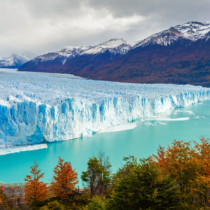
The Perito Moreno Glacier is one of the most popular tourist attractions in Argentina. Situated in the Los Glaciares National Park, the glacier spans an area of over 250 square kilometers and is one of the few glaciers in the world that is still growing. Visitors can take a boat tour to get up close to the glacier or even walk on it with a guide.

Mammoth Hot Springs, Wyoming

Mammoth Hot Springs is one of the most incredible natural wonders in the United States. The springs are in Yellowstone National Park, and they are truly a sight to behold. The water is so hot that it boils, and the steam from the springs is incredibly hot as well. The colors of the springs are also amazing, and they range from yellow to orange to red.

Dead Sea, Israel, and Jordan

The Dead Sea is one of the most incredible natural wonders in the world. Situated between Israel and Jordan, this vast salt lake is incredibly dense, making it impossible to sink. Hypersaline water is also rich in minerals, which have been shown to have health benefits. Visitors to this sea can float on the surface, relax in the mud baths, or try out the many health and beauty products made with its mineral-rich waters. There are also many archaeological sites in the area. This makes it a great destination for history buffs.

Mother Nature is full of amazing, awe-inspiring sights to behold. These breathtaking places are all worth a visit, so why not start planning your next trip today and discover one of these hidden gems? Where will you go first?

The Best Season To Travel: When Should You Go Where?

Are you planning your next vacation but don’t know when the best time to go where is? With so many beautiful places to visit all over the world, it can be tough to decide. Well, we’ve got your back! In this article, we’ll outline the different seasons and tell you when each is the best time to travel. So whether you’re looking to head out of the country for a new experience or just want to escape the cold winter weather, we’ve got you covered!

What Season Is The Best?

There is no definite answer when it comes to the best season to travel. However, depending on where you are planning on visiting, different seasons could be better for your trip. Here are some general tips to follow when deciding when to go where: 

  1. Check the Weather Forecast: Always check the weather forecast before you go anywhere! Not only will this help you decide whether or not you should pack a raincoat, but it can also help you plan your itinerary around the weather. If it’s too cold or too hot outside, that could mean that certain places are off-limits to you. 
  2. Consider Your Timeframe: Another factor to consider when deciding when to travel is your timeframe. Depending on where you’re going, some places may be more accessible during certain times of the year. For example, if you’re interested in traveling to Europe in the summertime, make sure to check the calendar and choose your dates accordingly. 
  3. Consider Popular Destinations: While each destination has its own unique charms, some destinations tend to be more popular than others at specific times of the year. For example, destinations like Hawaii and Florida tend to be very popular during the summertime because of all of the sunny days. If you have a specific time frame in mind and don’t want to miss out on any opportunities due to popularity, consider choosing a less popular destination during peak season. 

When Should You Go?

When should you go where? Depending on your interests, the best time to travel can vary. Here’s a guide to determining when the best season to travel is based on your specific interests.

  1. Summer: This is the busiest time of year for tourism, and there are more options for Vacation Rentals, tours, and other activities. The weather is typically warm and sunny, making it perfect for traveling to destinations in the Mediterranean or Caribbean.
  2. Fall: This is the ideal time to visit romantic destinations like Paris, Rome, or Venice. The colors are deep and rich, and the temperatures are cooler but still comfortable. There are also fewer tourists in town, which gives you a bit more privacy.
  3. Winter: If you’re looking for a quieter experience, winter might be your best bet. It’s usually less crowded than in summer or fall, and there are fewer events taking place that would disrupt your travels. Plus, airports tend to be less busy during this time of year, making getting out of town easier.

What Else To Consider Before Booking Your Trip

There are so many things to consider when planning your next vacation, from budget to destination. To help you make the best decision for where to go, we’ve outlined the four seasons and their best times to travel. 

  1. Summer: The busiest time of year for travel, but also the most affordable. Temperatures are usually warm and sunny, making it a great time to explore popular tourist destinations like Las Vegas or Miami. 
  2. Fall: The colors of fall are gorgeous – leaves changing color, crisp air, and delicious pumpkin spice everything! This is the perfect time to visit places like New York City or Boston. 
  3. Winter: Though colder than other seasons, winter offers amazing views and experiences that can’t be found at any other time of year. Skiing in Colorado or touristed sites in Antarctica are both excellent options during this season. 
  4. Spring: Spring is a beautiful time to travel; there’s a chance for showers, but mostly, the weather is mild and comfortable. Popular destinations during this season include Paris or Madrid.

Whether you are considering a long-term trip or just a vacation, there is no question that the best time to travel is during the warm weather months. With lower temperatures and more daylight hours, it is much easier to enjoy your surroundings and get in some great outdoor activities without freezing your butt off however, if you are wondering when the best time of year to go where we have got you covered! Read on for our comprehensive guide on when each region in the world is experiencing its best weather. Cheers!

How To Know What Type of Hotel You Need to Book

When you’re planning your next vacation, it can be hard to decide what type of hotel to book. Do you want to stay in a lavish resort, or explore a different part of the world at a budget-friendly hostel? Do you want to stay in a suburban home or an elegant hotel downtown? The options are endless! But before you can make your booking, you need to know what type of accommodation is best for you.

In this article, we’ll outline the different types of travel accommodations and explain which one is best for each type of traveler. So whether you’re looking for an affordable place to stay while on your honeymoon or an extravagant hotel with all the bells and whistles, we’ve got you covered!

Consider the Purpose of Your Visit

When considering the purpose of your visit to a city, it is important to choose the right type of hotel to book. If you are visiting for a business trip, you’ll want to stay in a hotel with easy access to the conference area, business centers, and other amenities you may need for your job.

If you are there to enjoy the waves, you may want to pick a beach hotel ocean city md (or wherever you are) located close to the sea. This will allow you to wake up to the soothing sound of the waves and have easy access to the beach for a relaxing and convenient seaside vacation.

Staying in a hotel located in a bustling city center is ideal if you’re looking for a vibrant atmosphere. But if you are looking for a more peaceful retreat, then you should try to find a more secluded area. Be sure to consider the purpose of your visit to make the most of your stay and book the type of hotel that best suits your needs.

Consider the Price Range You’re Willing To Spend

When considering what type of hotel to book, it is important to think about the price range that you’re willing to spend. Knowing your budget will help you narrow down the type of hotel you can book.

For example, if you set yourself a budget of $100 a night, you will probably be looking for a budget hotel where you can at least get the basics. But, if your budget is a bit higher and you can afford to spend more than $150 per night, you can look at mid-range or even luxury hotels with more amenities.

No matter what your budget is, it’s important to make sure you’re getting value for your money. So, read reviews and compare prices before booking a hotel.

Check Out the Amenities

When booking a hotel, one of the most important things to do is to check out the amenities it has to offer. Knowing what the hotel can provide you with can help make your stay a success.

Some of the amenities you should look for include a fitness center, an onsite restaurant, a swimming pool, and free Wi-Fi. If you’re planning on bringing pets on vacation, a pet-friendly hotel is a must-have.

Some hotels also offer other services such as concierge, valet, and transportation services. If you’re looking for a room for business meetings, conference facilities are a must-have.

Hotels may also sometimes partner up with companies that offer Laundry Services. This could be useful if you’re planning a longer trip and require this kind of service to keep your clothes clean.

Be sure to check out the amenities of the hotel before making your decision, as this will help you make an informed selection. By taking the time to look at the amenities, you can be sure you’ll pick the best hotel for your needs.

Consider the Cleanliness of the Accomodation

Considering cleanliness when booking a hotel is essential for several reasons. A clean and hygienic environment ensures a comfortable and enjoyable stay, free from health concerns or unpleasant experiences. Clean hotels demonstrate a commitment to guest satisfaction and attention to detail, enhancing the overall experience. Their dedication to cleanliness would be evident in every aspect of the property and the rooms, from the spotless curtains, carpets (perhaps restored with the assistance of commercial carpet cleaning services in Salem, OR or a similar business elsewhere), and wall tiles to the immaculately maintained wall hangings.

A well-maintained property can reflect professionalism and reliability, instilling trust in the hotel’s services. By choosing a clean hotel, you can rest assured that your accommodation will meet high standards, providing peace of mind and a positive impression of the establishment.

Consider the Location

When seeking accommodations, it is important to consider the location of your trip when selecting the right hotel. Before booking a hotel, it is important to consider what type of vacation you are planning so you can choose the best fit. Are you looking for outdoor activities, urban exploration, or a relaxing getaway? Knowing what type of activity you intend to do will help you select the right hotel.

For instance, if you are going on a beach vacation to Miama, you will want to pick a to stay near the shore like this coral gables hotel. If you are planning city exploration, then a hotel near the downtown area or a public transportation line makes the most sense.

A good hotel should be near points of interest to make it easier to access the local attractions. Thinking about the location of your trip will help you select the right hotel for your needs and ensure a pleasant stay.

Think About Your Comfort Level When Traveling

When traveling, it’s important to think about your comfort level. Depending on where you’re going, what you’re doing, and how long you plan to stay, the type of hotel you should book will vary.

If you’re embarking on a lengthy, cross-country road trip, for example, you’ll likely want a restful, comfortable place to stay with plenty of amenities to ease the drive. For a shorter getaway to an urban destination, a boutique property that puts you in the heart of the action may be more appealing.

If you’re looking for an adventurous escape in nature, a cozy cabin or rustic lodging may be the best fit. No matter what you choose, make sure it aligns with your comfort level so you can make the most of your trip.

Read Reviews and Compare Prices

Using reviews and comparing prices is a great way to know what type of hotel to book. Reviews can give you insight into the overall experience of a hotel and the quality of service they provide. It is important to read the reviews carefully to get a well-rounded understanding of what the guests experienced.

Comparing prices between similar hotels can help you decide which one offers the best value for the amenities you desire. It is also a good way to make sure you’re getting the most bang for your buck. By taking the time to read reviews and compare prices, you can ensure you book the best hotel for you, at a price that fits within your budget.