
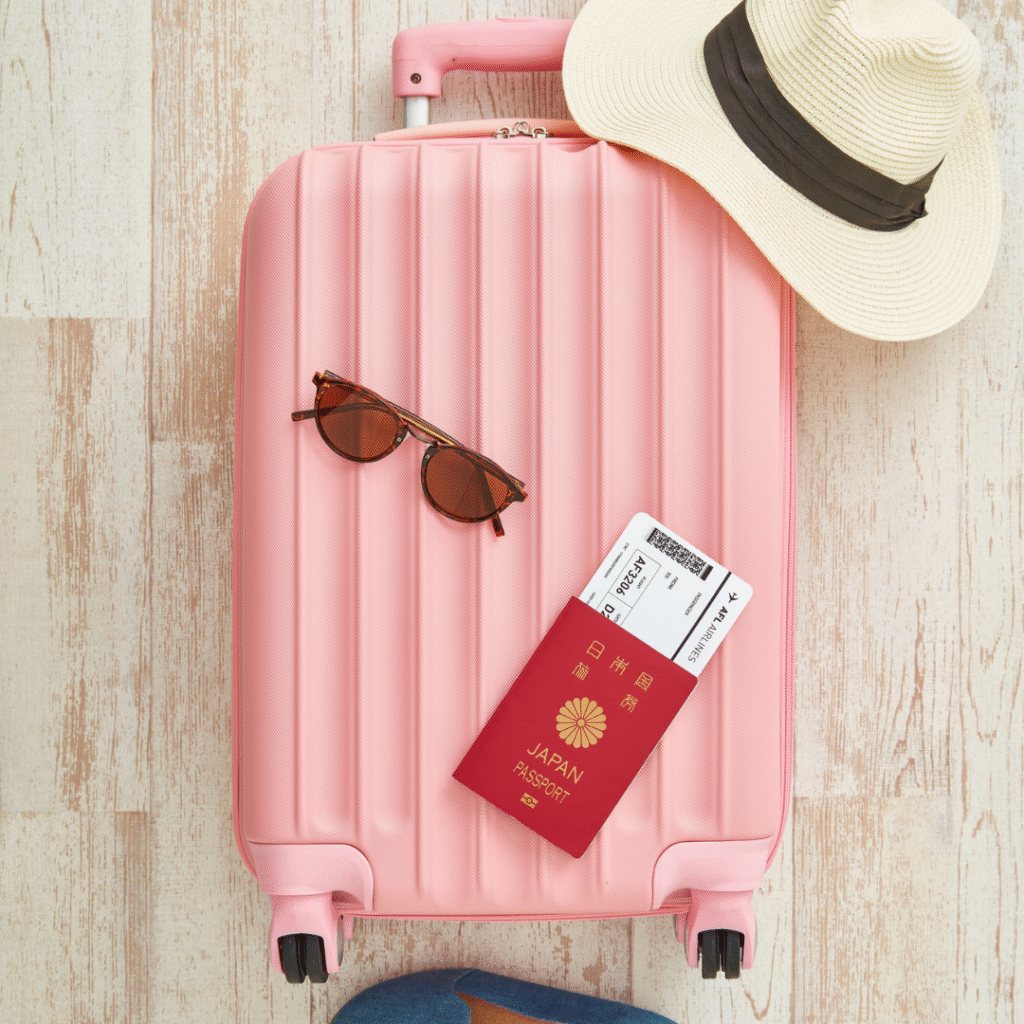
Traveling can be an exciting adventure, but it also presents unique challenges for those who rely on electronics. Devices such as smartphones, laptops, and cameras are susceptible to theft, damage, and even power surges in unfamiliar environments. Planning ahead and implementing protective measures can ensure that these valuable items remain safe and functional during travels.
Understanding the various risks associated with different travel destinations is crucial. Whether it’s using surge protectors in countries with unstable electrical systems or keeping devices secure when in crowded spaces, being proactive can prevent mishaps. Travelers should also consider investing in quality cases and insurance to offer additional layers of protection.
Ultimately, a little preparation goes a long way in safeguarding electronics while abroad. Adopting simple strategies can help travelers focus on their experiences rather than worrying about their gear. By taking precautions, they can enjoy their journey without the added stress of damaged or lost devices.
Fundamental Security Best Practices
Protecting electronics while abroad is essential. Implementing robust security measures ensures devices remain safe from unauthorized access and data loss. Key aspects include strong passwords, two-factor authentication, backup strategies, and the use of cloud storage.
Strong Passwords and Two-Factor Authentication
Creating strong passwords is crucial. Passwords should be at least 12 characters long and include a mix of uppercase letters, lowercase letters, numbers, and symbols. Avoid using easily guessed information like birthdays or names.
Two-factor authentication (2FA) adds another layer of security. Once a password is entered, a second step, such as a code sent to a mobile device or an authentication app, is required. This significantly decreases the chances of unauthorized access.
Device and Data Backups
Regular backups of devices and data should be standard practice. Users can utilize external hard drives or built-in backup solutions to create copies of essential files. This method protects against loss due to theft or accidental damage.
It is also advisable to schedule automatic backups so that important data remains current. Critical data such as documents, photos, and applications should be included in backups to ensure access when needed.
Using Cloud Storage Solutions
Cloud storage offers a convenient and secure way to store data remotely. Services like Google Drive, Dropbox, or Microsoft OneDrive not only provide accessibility but also improve security through encryption.
While using cloud storage, ensure that accounts are secured with strong passwords and 2FA. Regularly review shared access permissions to prevent unauthorized viewing or editing of sensitive files. This approach maximizes security while maintaining accessibility.
Protecting Against Digital Threats Abroad
Travelers should be aware of the various digital threats that can compromise their electronics and personal information while abroad. Key strategies include using secure internet connections, leveraging VPNs, and utilizing encrypted messaging apps.
Staying Safe on Public Wi-Fi Networks
Public Wi-Fi networks can expose devices to unauthorized access and data theft. When traveling, it is crucial to avoid logging into sensitive accounts or conducting financial transactions while connected to these networks.
If connecting to public Wi-Fi is necessary, travelers should take precautions such as:
- Disable sharing: Turn off file sharing and content sharing settings.
- Use secure websites: Look for HTTPS in the URL, indicating a secure connection.
- Forget the network: After use, forget the Wi-Fi network so devices do not reconnect automatically.
Applying these measures can significantly reduce the risk of intrusions while using public networks.
Leveraging VPNs and Virtual Private Networks
Using a VPN establishes a secure connection to the internet by encrypting data during transmission. This means that even if someone intercepts the connection, they cannot decipher the information.
Travelers should consider the following when selecting a VPN:
- Choose a reputable provider: Research to find a trusted service with a no-logs policy.
- Check server locations: Ensure the provider has servers in or near the travel destination.
- Look for speed: Some VPNs may slow internet speeds, so check for performance tests.
A reliable VPN can protect sensitive data, making it essential for safe internet use abroad.
Utilizing End-to-End Encrypted Messaging Apps
To secure communications, travelers should opt for messaging apps that feature end-to-end encryption, such as WhatsApp. This ensures that messages are only readable by the sender and receiver.
Important features to consider include:
- Automatic encryption: Ensure the app encrypts messages by default.
- Group chats: Verify that group messages also use end-to-end encryption to protect conversations.
- Privacy settings: Adjust settings for visibility and notifications for added privacy.
Using encrypted messaging apps can safeguard conversations from unwanted interception while traveling.
Maximizing Physical Security of Electronics
Ensuring the physical security of electronics while traveling is crucial. Specific measures can protect devices from theft or damage, allowing for a worry-free experience.
Safe Storage and Anti-Theft Accessories
Travelers should prioritize safe storage for their electronics. Using anti-theft bags with lockable zippers can deter pickpockets. Look for backpacks and purses equipped with cut-resistant straps. Cable locks can also secure devices like laptops to fixed objects in public spaces.
When in transit, keep electronics in carry-on luggage. Avoid placing them in checked bags as they can be lost or stolen. Utilizing waterproof cases can protect devices against accidents or environmental damage. Consider employing small security alarms that can alert travelers to unauthorized access.
Hotel Safe Usage and On-the-Go Measures
Utilizing hotel safes effectively adds an extra layer of protection. Before storing devices, ensure the safe is functioning properly. Place valuable electronics inside, and avoid leaving them unattended in rooms. Travelers should inquire about the safe’s dimensions to confirm that all items fit securely.
On the go, keeping electronics secure is vital. Employ anti-theft backpacks and use RFID-blocking wallets to safeguard passports and credit cards. When dining or waiting in public areas, keep bags close or secure on a chair. Being aware of surroundings can prevent opportunistic theft.
Essential Packing and Handling Precautions
Proper packing and handling can minimize the risk of damage. Use padded cases and individual sleeves for fragile devices like tablets and cameras. Organizing cables with ties prevents tangling and damage during transport.
Invest in a universal adapter to ensure devices can be charged safely in various countries. This reduces the risk of voltage issues, which can damage electronics. When handling devices, clean hands and avoiding food or drinks nearby can further prevent accidental spills and stains.