
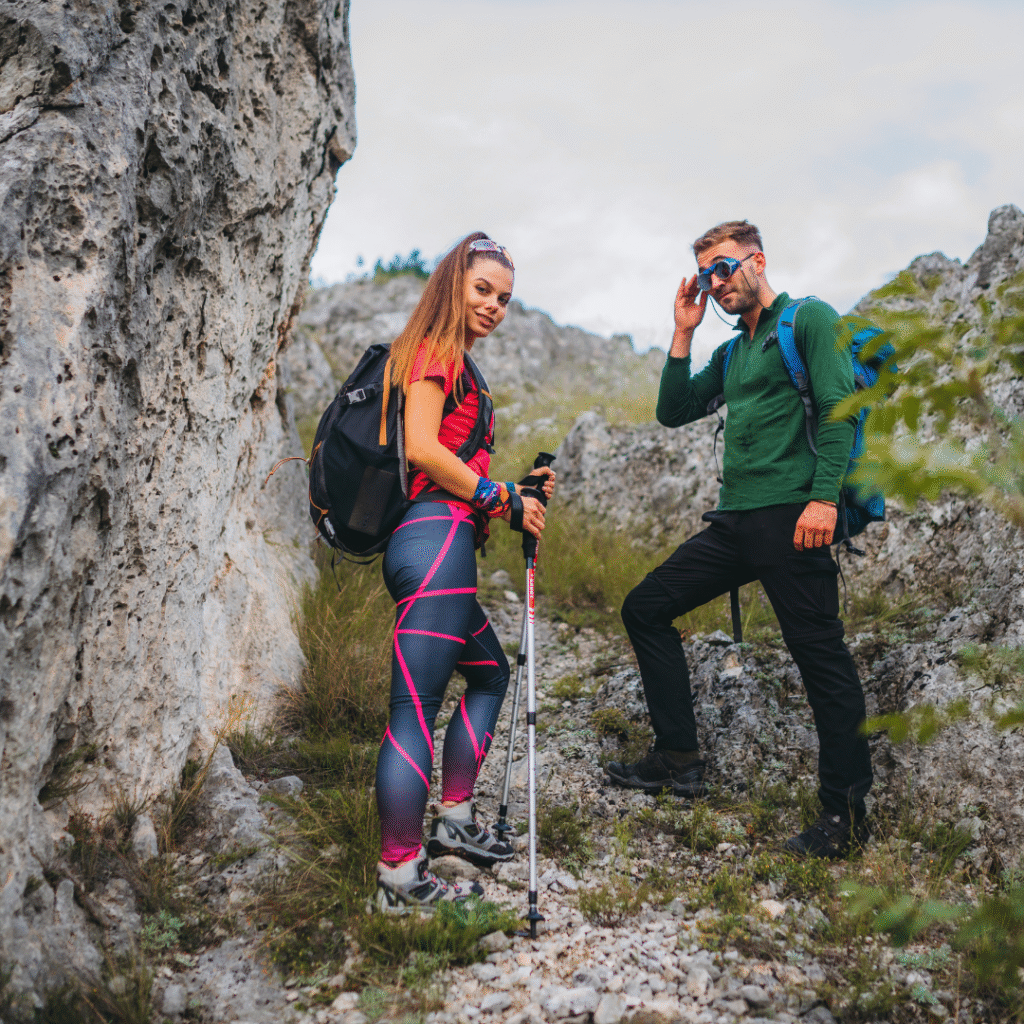
For adventurers seeking solitude and breathtaking views, hidden hiking trails offer the perfect escape. These lesser-known paths provide unique experiences away from crowded routes, showcasing nature’s beauty in its most pristine form. Exploring these trails not only unveils stunning landscapes but also allows hikers to connect with diverse ecosystems and local cultures.
From the serene forests of Japan to the rugged mountains of Patagonia, these hidden routes often remain undiscovered by the masses. Each trail carries its own story and charm, offering a refreshing alternative to mainstream hiking destinations. By venturing off the beaten path, explorers can encounter breathtaking vistas and secret spots that enrich their outdoor journeys.
Readers interested in discovering these hidden gems will uncover a selection of trails that promise adventure and serenity. This exploration highlights not just the trails’ beauty but also the rewarding experience of finding tranquility in nature’s untouched corners.
What Makes a Hiking Trail Hidden and Worth Exploring
Hidden hiking trails offer unique experiences that set them apart from popular routes. These trails often feature distinct characteristics, provide specific benefits, and cater to outdoor enthusiasts seeking adventure and solitude.
Characteristics of Hidden Trails
Hidden trails are usually less frequented, often located in remote or hard-to-reach areas. They may not be well-marked on maps, requiring hikers to rely on local knowledge or detailed research. Typical features of these trails include:
- Natural Beauty: Often surrounded by untouched landscapes, these trails showcase diverse ecosystems and wildlife.
- Less Development: Minimal infrastructure means hikers can immerse themselves in nature without distractions from buildings or large crowds.
- Unique Terrain: Many hidden trails offer varied terrain, such as rugged mountains, lush valleys, or dense forests, enhancing the hiking experience.
These characteristics make hidden trails appealing to those looking for a genuine connection with nature.
Benefits of Discovering Lesser-Known Routes
Exploring lesser-known trails has several advantages. These routes often provide a sense of adventure and tranquility that busy trails cannot offer. Key benefits include:
- Fewer Crowds: Hikers can enjoy solitude, making it easier to connect with nature and reflect away from noise.
- Unique Experiences: Each hidden trail presents new opportunities to discover local flora and fauna, as well as scenic vistas often overlooked.
- Physical Challenge: Many hidden trails can be more demanding, providing a rewarding workout for those seeking a challenge.
These benefits appeal to hikers who value personal growth and unique experiences in the outdoors.
The Appeal for Outdoor Enthusiasts
For outdoor enthusiasts, hidden trails symbolize exploration and adventure. The allure of discovering new paths is powerful. Some notable appeals include:
- Personal Achievement: Successfully navigating a hidden trail can offer a sense of accomplishment and mastery.
- Cultural Discovery: Many hidden trails are located near historical or cultural sites, providing additional context and richness to the hike.
- Community Connection: Engaging with local guides or fellow hikers can foster a sense of community and shared experience.
The unique features and experiences hidden trails offer make them worth exploring for those passionate about hiking and nature.
Hidden Hiking Trails Around the World
Many hikers seek out unique trails that offer breathtaking scenery and a chance to escape the crowds. The following options highlight some remarkable hidden gems found in alpine meadows, remote mountain ranges, and coastal locations.
Ascents Through Alpine Meadows and Lakes
Trails winding through alpine meadows and past crystal-clear lakes provide stunning views and diverse ecosystems. One notable example is the John Muir Trail in California’s Sierra Nevada, where hikers encounter a variety of wildflowers during the warmer months.
Another unique trail is located in the Azores, Portugal, especially on islands like São Miguel. Here, hikers can explore a stunning landscape dotted with geothermal lakes and lush vegetation. The combination of unique terrain and vibrant flora makes every ascent memorable.
Remote Trails in Mountain Ranges
Venturing into remote mountain ranges often leads to discovering lesser-known trails worthy of exploration. The Inca Trail remains famous, but less-traveled paths in the Andes offer similar breathtaking views without the crowds. Trekkers may find solitude while exploring routes leading to hidden ruins.
In Scotland, the Glencoe Valley hosts trails that traverse majestic cliffs and valleys rich in history. From the picturesque scenery to the rugged terrain, these paths evoke the spirit of adventure. Each twist and turn reveals unique vistas that tell the story of the region.
Coastal and Island Adventures
Hiking along coastal paths presents the perfect blend of ocean views and diverse landscapes. The Camino de Santiago offers not only pilgrimage routes but also coastal sections that lead to stunning beaches and picturesque villages, especially in Galicia, Spain.
For those seeking island adventures, the trails around Santorini in Greece provide dramatic views of volcanic cliffs and the Aegean Sea. Hikers can enjoy ancient paths linking charming villages while immersing themselves in local culture. Overall, these hidden hiking trails around the world present unique opportunities for exploration and connection with nature.
Experiences and Natural Wonders Found on Hidden Trails
Hidden hiking trails offer unique experiences that connect travelers with nature’s untouched beauty. Exploring these paths can lead to unexpected wildlife encounters, breathtaking waterfalls, and immersive adventures that deepen one’s appreciation for the great outdoors.
Wildlife Encounters in Secluded Terrains
Secluded trails often provide opportunities to see wildlife in their natural habitats. These areas tend to be less frequented by humans, encouraging native species to thrive. Hikers may spot deer grazing, foxes darting through the underbrush, or even elusive creatures like bobcats.
Birdwatchers find particularly rich experiences on hidden trails, as diverse avian species inhabit these regions. From the haunting call of an owl to the vibrant colors of a warbler, each encounter offers a chance to observe nature’s beauty up close.
Waterfalls and Scenic Vistas
Hidden trails frequently lead to stunning waterfalls that are off the typical tourist path. These natural wonders vary greatly in size and shape, offering unique visual spectacles. Some waterfalls cascade down rocky cliffs, while others form serene pools perfect for a refreshing dip.
Scenic vistas along these trails provide hikers with breathtaking views of valleys, mountains, and remote landscapes. The tranquility found at these overlooks adds to the experience, allowing hikers to appreciate nature’s artistry.
Immersive Hiking Adventures
Hiking hidden trails immerses adventurers in the rhythm of nature. These paths often challenge hikers with varied terrain, from rugged hills to serene forest floors. Navigating these routes encourages an appreciation for both the beauty and difficulty of the journey.
The solitude found on less-traveled paths enhances the connection to nature. As hikers travel through these areas, they may find peace in the sounds of rustling leaves and flowing streams, transforming each trek into a meditative experience.
Tips for Planning and Enjoying Hidden Hiking Trails
Outdoor enthusiasts seeking hidden hiking trails should focus on thorough research, safety, and connecting with local cultures. These elements ensure a rewarding experience while exploring lesser-known paths.
Researching and Preparing for the Journey
Before setting out, it is essential to conduct detailed research on potential hiking trails. This includes checking trail conditions, length, and difficulty level. Online resources, social media groups, and local hiking forums provide valuable information.
Creating a checklist for gear and supplies enhances preparation. Key items may include:
- Proper footwear: Sturdy hiking boots are vital for uneven terrain.
- Navigation tools: A reliable map or GPS device can prevent getting lost.
- Safety gear: First aid kits and emergency whistles are crucial for unexpected situations.
Understanding local weather patterns also aids in planning the ideal hiking season.
Trail Safety and Sustainability
Safety on hidden trails is paramount. It is advisable to inform someone about the hiking plan, including expected return times. Carrying a fully charged mobile phone ensures connectivity in emergencies.
Adopting sustainable practices preserves natural habitats. Hikers should:
- Stick to marked trails to avoid disturbing wildlife.
- Pack out all trash to maintain trail cleanliness.
- Consider using eco-friendly products.
Awareness of local wildlife can also prevent dangerous encounters. Understanding animal behavior enhances both safety and enjoyment while hiking.
Connecting With Local Cultures
Engaging with local communities can enrich the hiking experience. Learning about traditional practices and customs adds depth to the journey. Many trails pass through areas where local culture is vibrant. Hikers are encouraged to visit local markets or community events. Such interactions foster connections and provide insights into the area’s heritage.
Respecting local norms and traditions is essential. Familiarity with basic language phrases or etiquette can significantly enhance communication with residents. This approach not only benefits hikers but also promotes cultural appreciation.