
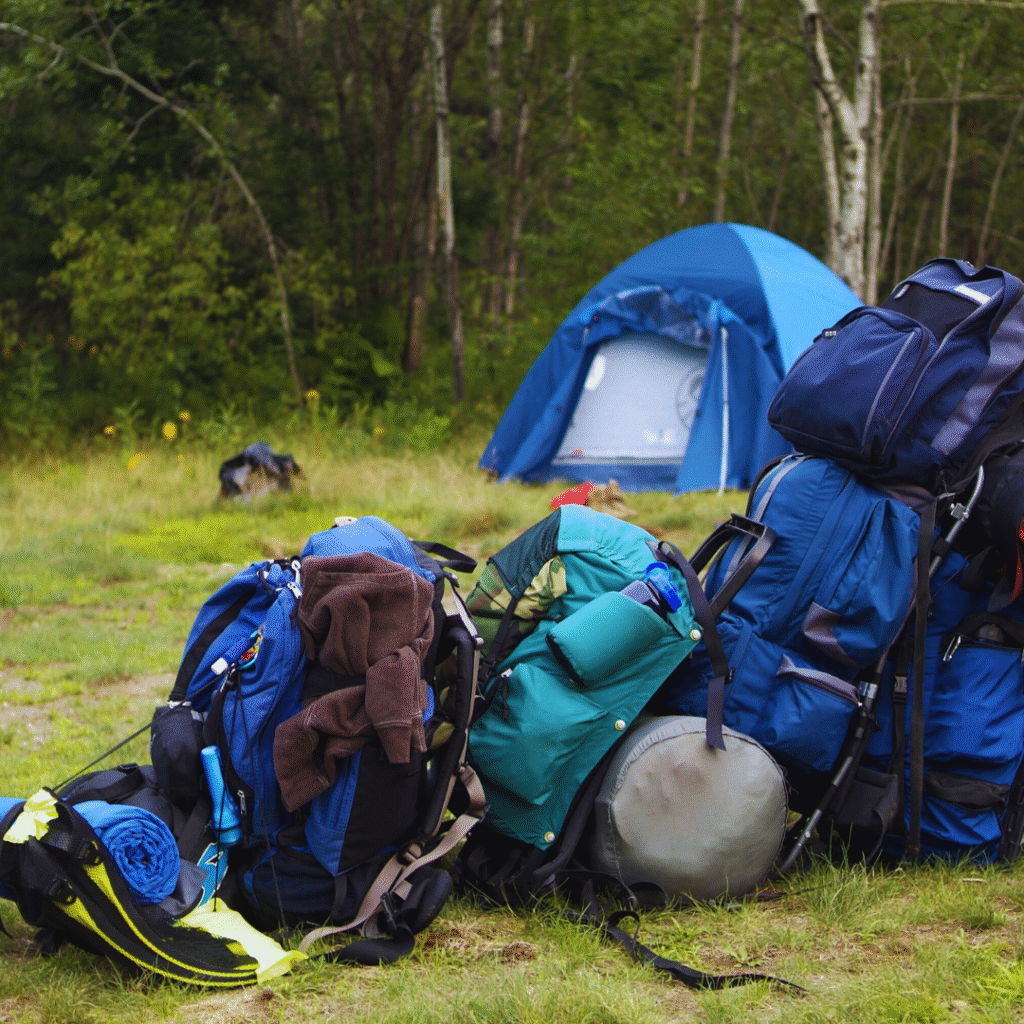
Hiking is a rewarding activity that can be enjoyed year-round, provided one is prepared for varying conditions. Having the right gear for each season not only enhances comfort but also ensures safety on the trails. This article will outline essential hiking equipment for spring, summer, autumn, and winter, catering to both novice and experienced hikers alike.
Whether hiking through blooming trails in spring or navigating frosty paths in winter, the right gear makes all the difference. A suitable set of clothing and tools can elevate the hiking experience, making it more enjoyable and hassle-free. Trail enthusiasts will find practical advice on what to pack to tackle conditions effectively, no matter the season.
Being equipped with the appropriate essentials means hikers can fully immerse themselves in nature without worrying about unexpected weather or terrain challenges. This guide will emphasize critical items and tips, ensuring a successful outing throughout the year.
The Ten Essentials Of Hiking Gear
Having the right hiking gear is crucial for safety and comfort on the trail. Understanding the ten essential items can significantly enhance the hiking experience across different seasons.
Navigation And Trail Safety
Navigation is vital for any hiker. A map and compass are must-have items to stay oriented in the wilderness. Even if a GPS device is used, it’s important to carry these traditional tools as backups.
Before heading out, one should learn how to read topographic maps and use a compass effectively. This knowledge can prevent disorientation and enhance trail safety. Additionally, carrying a first aid kit ensures that minor injuries can be treated promptly, minimizing risks associated with hiking.
Sun Protection For All Seasons
Sun protection is essential regardless of the season. Sunscreen with a high SPF should be applied to exposed skin, even on cloudy days. It protects against harmful UV rays, which can damage skin and lead to health problems.
Sunglasses with UV protection are equally important. They shield the eyes from glare and UV radiation, reducing the risk of long-term eye damage. Wearing a wide-brimmed hat can also provide shade and protect the face and neck from sunburn.
Layering And Insulation
Proper layering is key to staying comfortable in varying temperatures. A moisture-wicking base layer helps keep sweat away from the skin, maintaining a comfortable body temperature. This layer is crucial for keeping the hiker dry.
An insulating layer, such as one made from wool or synthetic fabrics, traps heat in colder conditions. A waterproof jacket serves as an outer layer to protect against rain and wind. This three-layer system allows for flexibility and comfort as weather conditions change throughout the hike.
Hydration And Nutrition
Staying hydrated is vital for sustaining energy levels during a hike. It’s recommended to carry adequate water, approximately two liters for a day hike. A hydration reservoir or a series of water bottles is an effective option.
In addition to water, packing trail mix and energy bars provides essential nutrients and quick energy boosts. Foods high in carbohydrates and protein support endurance and performance on the trail. This combination ensures hikers remain energized and ready for the journey ahead.
Essential Hiking Gear For Each Season
Having the right gear for every season enhances the hiking experience considerably. Each season presents unique challenges that require specific equipment to ensure safety and comfort.
Spring Hiking Gear: Unpredictable Weather Preparedness
Spring weather can change rapidly, so it’s important to be prepared. Waterproof hiking boots are essential to keep feet dry in muddy conditions. A lightweight, breathable rain jacket will help manage unexpected rain showers while remaining comfortable.
Layering is key during spring hikes. Long-sleeve moisture-wicking shirts protect from cool breezes, while a versatile insulated jacket can offer warmth when temperatures drop. A good pair of trekking poles can assist in navigating slippery paths or uneven terrain. She should also carry a reliable map or GPS device to avoid getting lost during the unpredictable season.
Summer Hiking Gear: Staying Cool And Protected
Summer hiking demands gear focused on staying cool and protected from the sun. A wide-brimmed hat is vital for shielding the face from direct sunlight. Lightweight, breathable clothing helps regulate body temperature.
Sunscreen should be applied liberally to prevent sunburn, especially at higher altitudes where UV exposure increases. A sturdy pair of sunglasses will protect eyes from harsh rays. Hydration is crucial, so carrying a hydration pack or refillable water bottles is recommended. Comfortable and breathable trail runners or sandals can provide good traction and support during summer outings.
Fall Hiking Gear: Adapting To Changing Conditions
Fall brings stunning foliage but also variable weather. Layering becomes crucial; a base layer can manage moisture, while an insulated layer prepares for sudden chills. A waterproof, windproof jacket is essential for rain or windy days.
As temperatures drop, ensuring adequate warmth is critical. Fleece-lined pants can provide comfort during cool hikes. Sturdy, waterproof footwear is necessary as fallen leaves can hide slippery or unstable surfaces. She should also consider carrying gloves and a warm hat for added warmth on chillier days, especially when hiking in the backcountry.
Winter Hiking Gear: Extreme Cold And Snow
Winter hikes require specialized gear to deal with extreme conditions. An insulated jacket is essential to maintain core warmth. Depending on the trail, microspikes or crampons may be needed for traction on ice. Layering remains important; thermal base layers keep warmth close to the body. Waterproof, insulated hiking boots help protect against snow and moisture.
Accessories like insulated gloves and a warm beanie can prevent heat loss from extremities. For safety, carrying a headlamp is advisable as daylight hours are shorter. Always check weather conditions before heading into mountainous areas to ensure safety.
Footwear, Clothing, And Packs Selection Guide
Choosing the right footwear, clothing, and packs is crucial for a successful hiking experience across different seasons. This guidance focuses on making informed selections to enhance comfort and performance on the trails.
Choosing The Right Hiking Footwear
Footwear plays a critical role in hiking comfort and safety. For varying terrains, hiking boots offer ankle support and durability. Waterproof hiking boots are essential for wet conditions, providing extra protection against moisture. Conversely, waterproof hiking shoes can be ideal for warmer climates or less rugged trails.
When selecting footwear, consider the following:
- Fit: Ensure a snug fit with enough room for toes to wiggle.
- Socks: Invest in quality hiking socks made from moisture-wicking materials to prevent blisters.
- Traction: Look for outsoles with good grip for slip resistance.
Gaiters add protection against mud and debris, enhancing the overall fit of the footwear.
Selecting Seasonal Hiking Clothing
Layering is key when choosing hiking clothes to accommodate temperature changes. Long underwear serves as a base layer, wicking moisture away from the skin. An insulating mid-layer, such as a fleece or down jacket, provides warmth.
For outer protection:
- Rain gear: Invest in quality rain jackets and rain pants to stay dry during unexpected showers.
- Breathable clothing: Opt for quick-drying tops made from synthetic fabrics, which keep hikers comfortable during physical exertion.
Selecting the best hiking clothes includes evaluating fit and functionality. Aim for clothing that allows for freedom of movement.
Backpacks And Packing Tips
Choosing the right pack is essential for a comfortable hike. A daypack is suitable for short hikes, providing enough space for essentials without bulk. Look for adjustable straps and a ventilated back panel for added comfort.
When packing, prioritize:
- Weight distribution: Heavy items should be closer to the back for stability.
- Accessibility: Keep frequently used items easily reachable.
- Hydration: Consider hydration reservoirs or water bottles and pack them where they are easy to access.
Understanding these aspects ensures proper packing and enhances the hiking experience.
Additional Trail Safety And Comfort Essentials
Trail safety and comfort significantly enhance the hiking experience. The right gear can address emergencies and provide necessary support during long hikes. Both illumination tools and first aid items play crucial roles in ensuring safety and readiness on the trail.
Illumination And Emergency Preparedness
A reliable light source is indispensable for any hiking trip, especially during low-light conditions. A headlamp allows hands-free lighting, which is essential for navigating trails after dusk or in dense fog. A flashlight is also useful, ideally one with different brightness settings for various situations.
In addition, carrying a whistle can aid in signaling for help if needed. An emergency shelter is crucial for unexpected weather changes, providing warmth and protection. A multi-tool can assist with various tasks, from minor repairs to food preparation. Lastly, a power bank ensures devices stay charged, enabling communication and navigation support.
First Aid And Survival Tools
A well-stocked first aid kit is mandatory for addressing potential injuries. This kit should include adhesive bandages, antiseptic wipes, and pain relievers for minor injuries. For more serious emergencies, having a tourniquet and gauze for wound dressing can be life-saving.
Additionally, including a means to start a fire is vital. Waterproof matches or a fire starter can be crucial for warmth and cooking. Trekking poles aid in maintaining balance and reducing strain on joints during difficult terrain. In case of an overnight stay due to unforeseen circumstances, a lightweight sleeping bag is necessary for comfort and warmth. Backpacking gear should be organized to ensure easy access to these essentials.