
Hidden Hiking Trails Around the World Worth Exploring: Discover Off-the-Beaten-Path Adventures

For adventurers seeking solitude and breathtaking views, hidden hiking trails offer the perfect escape. These lesser-known paths provide unique experiences away from crowded routes, showcasing nature’s beauty in its most pristine form. Exploring these trails not only unveils stunning landscapes but also allows hikers to connect with diverse ecosystems and local cultures.

From the serene forests of Japan to the rugged mountains of Patagonia, these hidden routes often remain undiscovered by the masses. Each trail carries its own story and charm, offering a refreshing alternative to mainstream hiking destinations. By venturing off the beaten path, explorers can encounter breathtaking vistas and secret spots that enrich their outdoor journeys.

Readers interested in discovering these hidden gems will uncover a selection of trails that promise adventure and serenity. This exploration highlights not just the trails’ beauty but also the rewarding experience of finding tranquility in nature’s untouched corners.

What Makes a Hiking Trail Hidden and Worth Exploring

Hidden hiking trails offer unique experiences that set them apart from popular routes. These trails often feature distinct characteristics, provide specific benefits, and cater to outdoor enthusiasts seeking adventure and solitude.

Characteristics of Hidden Trails

Hidden trails are usually less frequented, often located in remote or hard-to-reach areas. They may not be well-marked on maps, requiring hikers to rely on local knowledge or detailed research. Typical features of these trails include:

  • Natural Beauty: Often surrounded by untouched landscapes, these trails showcase diverse ecosystems and wildlife.
  • Less Development: Minimal infrastructure means hikers can immerse themselves in nature without distractions from buildings or large crowds.
  • Unique Terrain: Many hidden trails offer varied terrain, such as rugged mountains, lush valleys, or dense forests, enhancing the hiking experience.

These characteristics make hidden trails appealing to those looking for a genuine connection with nature.

Benefits of Discovering Lesser-Known Routes

Exploring lesser-known trails has several advantages. These routes often provide a sense of adventure and tranquility that busy trails cannot offer. Key benefits include:

  • Fewer Crowds: Hikers can enjoy solitude, making it easier to connect with nature and reflect away from noise.
  • Unique Experiences: Each hidden trail presents new opportunities to discover local flora and fauna, as well as scenic vistas often overlooked.
  • Physical Challenge: Many hidden trails can be more demanding, providing a rewarding workout for those seeking a challenge.

These benefits appeal to hikers who value personal growth and unique experiences in the outdoors.

The Appeal for Outdoor Enthusiasts

For outdoor enthusiasts, hidden trails symbolize exploration and adventure. The allure of discovering new paths is powerful. Some notable appeals include:

  • Personal Achievement: Successfully navigating a hidden trail can offer a sense of accomplishment and mastery.
  • Cultural Discovery: Many hidden trails are located near historical or cultural sites, providing additional context and richness to the hike.
  • Community Connection: Engaging with local guides or fellow hikers can foster a sense of community and shared experience.

The unique features and experiences hidden trails offer make them worth exploring for those passionate about hiking and nature.

Hidden Hiking Trails Around the World

Many hikers seek out unique trails that offer breathtaking scenery and a chance to escape the crowds. The following options highlight some remarkable hidden gems found in alpine meadows, remote mountain ranges, and coastal locations.

Ascents Through Alpine Meadows and Lakes

Trails winding through alpine meadows and past crystal-clear lakes provide stunning views and diverse ecosystems. One notable example is the John Muir Trail in California’s Sierra Nevada, where hikers encounter a variety of wildflowers during the warmer months.

Another unique trail is located in the Azores, Portugal, especially on islands like São Miguel. Here, hikers can explore a stunning landscape dotted with geothermal lakes and lush vegetation. The combination of unique terrain and vibrant flora makes every ascent memorable.

Remote Trails in Mountain Ranges

Venturing into remote mountain ranges often leads to discovering lesser-known trails worthy of exploration. The Inca Trail remains famous, but less-traveled paths in the Andes offer similar breathtaking views without the crowds. Trekkers may find solitude while exploring routes leading to hidden ruins.

In Scotland, the Glencoe Valley hosts trails that traverse majestic cliffs and valleys rich in history. From the picturesque scenery to the rugged terrain, these paths evoke the spirit of adventure. Each twist and turn reveals unique vistas that tell the story of the region.

Coastal and Island Adventures

Hiking along coastal paths presents the perfect blend of ocean views and diverse landscapes. The Camino de Santiago offers not only pilgrimage routes but also coastal sections that lead to stunning beaches and picturesque villages, especially in Galicia, Spain.

For those seeking island adventures, the trails around Santorini in Greece provide dramatic views of volcanic cliffs and the Aegean Sea. Hikers can enjoy ancient paths linking charming villages while immersing themselves in local culture. Overall, these hidden hiking trails around the world present unique opportunities for exploration and connection with nature.

Experiences and Natural Wonders Found on Hidden Trails

Hidden hiking trails offer unique experiences that connect travelers with nature’s untouched beauty. Exploring these paths can lead to unexpected wildlife encounters, breathtaking waterfalls, and immersive adventures that deepen one’s appreciation for the great outdoors.

Wildlife Encounters in Secluded Terrains

Secluded trails often provide opportunities to see wildlife in their natural habitats. These areas tend to be less frequented by humans, encouraging native species to thrive. Hikers may spot deer grazing, foxes darting through the underbrush, or even elusive creatures like bobcats.

Birdwatchers find particularly rich experiences on hidden trails, as diverse avian species inhabit these regions. From the haunting call of an owl to the vibrant colors of a warbler, each encounter offers a chance to observe nature’s beauty up close.

Waterfalls and Scenic Vistas

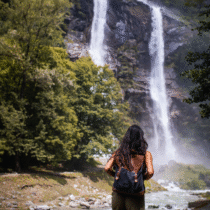
Hidden trails frequently lead to stunning waterfalls that are off the typical tourist path. These natural wonders vary greatly in size and shape, offering unique visual spectacles. Some waterfalls cascade down rocky cliffs, while others form serene pools perfect for a refreshing dip.

Scenic vistas along these trails provide hikers with breathtaking views of valleys, mountains, and remote landscapes. The tranquility found at these overlooks adds to the experience, allowing hikers to appreciate nature’s artistry.

Immersive Hiking Adventures

Hiking hidden trails immerses adventurers in the rhythm of nature. These paths often challenge hikers with varied terrain, from rugged hills to serene forest floors. Navigating these routes encourages an appreciation for both the beauty and difficulty of the journey.

The solitude found on less-traveled paths enhances the connection to nature. As hikers travel through these areas, they may find peace in the sounds of rustling leaves and flowing streams, transforming each trek into a meditative experience.

Tips for Planning and Enjoying Hidden Hiking Trails

Outdoor enthusiasts seeking hidden hiking trails should focus on thorough research, safety, and connecting with local cultures. These elements ensure a rewarding experience while exploring lesser-known paths.

Researching and Preparing for the Journey

Before setting out, it is essential to conduct detailed research on potential hiking trails. This includes checking trail conditions, length, and difficulty level. Online resources, social media groups, and local hiking forums provide valuable information.

Creating a checklist for gear and supplies enhances preparation. Key items may include:

  • Proper footwear: Sturdy hiking boots are vital for uneven terrain.
  • Navigation tools: A reliable map or GPS device can prevent getting lost.
  • Safety gear: First aid kits and emergency whistles are crucial for unexpected situations.

Understanding local weather patterns also aids in planning the ideal hiking season.

Trail Safety and Sustainability

Safety on hidden trails is paramount. It is advisable to inform someone about the hiking plan, including expected return times. Carrying a fully charged mobile phone ensures connectivity in emergencies.

Adopting sustainable practices preserves natural habitats. Hikers should:

  • Stick to marked trails to avoid disturbing wildlife.
  • Pack out all trash to maintain trail cleanliness.
  • Consider using eco-friendly products.

Awareness of local wildlife can also prevent dangerous encounters. Understanding animal behavior enhances both safety and enjoyment while hiking.

Connecting With Local Cultures

Engaging with local communities can enrich the hiking experience. Learning about traditional practices and customs adds depth to the journey. Many trails pass through areas where local culture is vibrant. Hikers are encouraged to visit local markets or community events. Such interactions foster connections and provide insights into the area’s heritage.

Respecting local norms and traditions is essential. Familiarity with basic language phrases or etiquette can significantly enhance communication with residents. This approach not only benefits hikers but also promotes cultural appreciation.


Essential Hiking Gear for Every Season: Your Comprehensive Guide

Hiking is a rewarding activity that can be enjoyed year-round, provided one is prepared for varying conditions. Having the right gear for each season not only enhances comfort but also ensures safety on the trails. This article will outline essential hiking equipment for spring, summer, autumn, and winter, catering to both novice and experienced hikers alike.

Whether hiking through blooming trails in spring or navigating frosty paths in winter, the right gear makes all the difference. A suitable set of clothing and tools can elevate the hiking experience, making it more enjoyable and hassle-free. Trail enthusiasts will find practical advice on what to pack to tackle conditions effectively, no matter the season.

Being equipped with the appropriate essentials means hikers can fully immerse themselves in nature without worrying about unexpected weather or terrain challenges. This guide will emphasize critical items and tips, ensuring a successful outing throughout the year.

The Ten Essentials Of Hiking Gear

Having the right hiking gear is crucial for safety and comfort on the trail. Understanding the ten essential items can significantly enhance the hiking experience across different seasons.

Navigation And Trail Safety

Navigation is vital for any hiker. A map and compass are must-have items to stay oriented in the wilderness. Even if a GPS device is used, it’s important to carry these traditional tools as backups.

Before heading out, one should learn how to read topographic maps and use a compass effectively. This knowledge can prevent disorientation and enhance trail safety. Additionally, carrying a first aid kit ensures that minor injuries can be treated promptly, minimizing risks associated with hiking.

Sun Protection For All Seasons

Sun protection is essential regardless of the season. Sunscreen with a high SPF should be applied to exposed skin, even on cloudy days. It protects against harmful UV rays, which can damage skin and lead to health problems.

Sunglasses with UV protection are equally important. They shield the eyes from glare and UV radiation, reducing the risk of long-term eye damage. Wearing a wide-brimmed hat can also provide shade and protect the face and neck from sunburn.

Layering And Insulation

Proper layering is key to staying comfortable in varying temperatures. A moisture-wicking base layer helps keep sweat away from the skin, maintaining a comfortable body temperature. This layer is crucial for keeping the hiker dry.

An insulating layer, such as one made from wool or synthetic fabrics, traps heat in colder conditions. A waterproof jacket serves as an outer layer to protect against rain and wind. This three-layer system allows for flexibility and comfort as weather conditions change throughout the hike.

Hydration And Nutrition

Staying hydrated is vital for sustaining energy levels during a hike. It’s recommended to carry adequate water, approximately two liters for a day hike. A hydration reservoir or a series of water bottles is an effective option.

In addition to water, packing trail mix and energy bars provides essential nutrients and quick energy boosts. Foods high in carbohydrates and protein support endurance and performance on the trail. This combination ensures hikers remain energized and ready for the journey ahead.

Essential Hiking Gear For Each Season

Having the right gear for every season enhances the hiking experience considerably. Each season presents unique challenges that require specific equipment to ensure safety and comfort.

Spring Hiking Gear: Unpredictable Weather Preparedness

Spring weather can change rapidly, so it’s important to be prepared. Waterproof hiking boots are essential to keep feet dry in muddy conditions. A lightweight, breathable rain jacket will help manage unexpected rain showers while remaining comfortable.

Layering is key during spring hikes. Long-sleeve moisture-wicking shirts protect from cool breezes, while a versatile insulated jacket can offer warmth when temperatures drop. A good pair of trekking poles can assist in navigating slippery paths or uneven terrain. She should also carry a reliable map or GPS device to avoid getting lost during the unpredictable season.

Summer Hiking Gear: Staying Cool And Protected

Summer hiking demands gear focused on staying cool and protected from the sun. A wide-brimmed hat is vital for shielding the face from direct sunlight. Lightweight, breathable clothing helps regulate body temperature.

Sunscreen should be applied liberally to prevent sunburn, especially at higher altitudes where UV exposure increases. A sturdy pair of sunglasses will protect eyes from harsh rays. Hydration is crucial, so carrying a hydration pack or refillable water bottles is recommended. Comfortable and breathable trail runners or sandals can provide good traction and support during summer outings.

Fall Hiking Gear: Adapting To Changing Conditions

Fall brings stunning foliage but also variable weather. Layering becomes crucial; a base layer can manage moisture, while an insulated layer prepares for sudden chills. A waterproof, windproof jacket is essential for rain or windy days.

As temperatures drop, ensuring adequate warmth is critical. Fleece-lined pants can provide comfort during cool hikes. Sturdy, waterproof footwear is necessary as fallen leaves can hide slippery or unstable surfaces. She should also consider carrying gloves and a warm hat for added warmth on chillier days, especially when hiking in the backcountry.

Winter Hiking Gear: Extreme Cold And Snow

Winter hikes require specialized gear to deal with extreme conditions. An insulated jacket is essential to maintain core warmth. Depending on the trail, microspikes or crampons may be needed for traction on ice. Layering remains important; thermal base layers keep warmth close to the body. Waterproof, insulated hiking boots help protect against snow and moisture.

Accessories like insulated gloves and a warm beanie can prevent heat loss from extremities. For safety, carrying a headlamp is advisable as daylight hours are shorter. Always check weather conditions before heading into mountainous areas to ensure safety.

Footwear, Clothing, And Packs Selection Guide

Choosing the right footwear, clothing, and packs is crucial for a successful hiking experience across different seasons. This guidance focuses on making informed selections to enhance comfort and performance on the trails.

Choosing The Right Hiking Footwear

Footwear plays a critical role in hiking comfort and safety. For varying terrains, hiking boots offer ankle support and durability. Waterproof hiking boots are essential for wet conditions, providing extra protection against moisture. Conversely, waterproof hiking shoes can be ideal for warmer climates or less rugged trails.

When selecting footwear, consider the following:

  • Fit: Ensure a snug fit with enough room for toes to wiggle.
  • Socks: Invest in quality hiking socks made from moisture-wicking materials to prevent blisters.
  • Traction: Look for outsoles with good grip for slip resistance.

Gaiters add protection against mud and debris, enhancing the overall fit of the footwear.

Selecting Seasonal Hiking Clothing

Layering is key when choosing hiking clothes to accommodate temperature changes. Long underwear serves as a base layer, wicking moisture away from the skin. An insulating mid-layer, such as a fleece or down jacket, provides warmth.

For outer protection:

  • Rain gear: Invest in quality rain jackets and rain pants to stay dry during unexpected showers.
  • Breathable clothing: Opt for quick-drying tops made from synthetic fabrics, which keep hikers comfortable during physical exertion.

Selecting the best hiking clothes includes evaluating fit and functionality. Aim for clothing that allows for freedom of movement.

Backpacks And Packing Tips

Choosing the right pack is essential for a comfortable hike. A daypack is suitable for short hikes, providing enough space for essentials without bulk. Look for adjustable straps and a ventilated back panel for added comfort.

When packing, prioritize:

  • Weight distribution: Heavy items should be closer to the back for stability.
  • Accessibility: Keep frequently used items easily reachable.
  • Hydration: Consider hydration reservoirs or water bottles and pack them where they are easy to access.

Understanding these aspects ensures proper packing and enhances the hiking experience.

Additional Trail Safety And Comfort Essentials

Trail safety and comfort significantly enhance the hiking experience. The right gear can address emergencies and provide necessary support during long hikes. Both illumination tools and first aid items play crucial roles in ensuring safety and readiness on the trail.

Illumination And Emergency Preparedness

A reliable light source is indispensable for any hiking trip, especially during low-light conditions. A headlamp allows hands-free lighting, which is essential for navigating trails after dusk or in dense fog. A flashlight is also useful, ideally one with different brightness settings for various situations.

In addition, carrying a whistle can aid in signaling for help if needed. An emergency shelter is crucial for unexpected weather changes, providing warmth and protection. A multi-tool can assist with various tasks, from minor repairs to food preparation. Lastly, a power bank ensures devices stay charged, enabling communication and navigation support.

First Aid And Survival Tools

A well-stocked first aid kit is mandatory for addressing potential injuries. This kit should include adhesive bandages, antiseptic wipes, and pain relievers for minor injuries. For more serious emergencies, having a tourniquet and gauze for wound dressing can be life-saving.

Additionally, including a means to start a fire is vital. Waterproof matches or a fire starter can be crucial for warmth and cooking. Trekking poles aid in maintaining balance and reducing strain on joints during difficult terrain. In case of an overnight stay due to unforeseen circumstances, a lightweight sleeping bag is necessary for comfort and warmth. Backpacking gear should be organized to ensure easy access to these essentials.


Best Destinations for First-Time Solo Travelers: Top Locations for a Memorable Journey

Traveling alone for the first time can be an exhilarating experience, offering newfound freedom and self-discovery. Many destinations cater to solo travelers with welcoming environments, cultural attractions, and opportunities to meet fellow explorers. For first-time solo travelers, cities like Lisbon, Barcelona, and Tokyo stand out as some of the best choices, combining safety, vibrant cultures, and ease of navigation.

Lisbon’s picturesque streets and friendly locals create a welcoming atmosphere for those venturing out alone. In Barcelona, the mix of art, architecture, and beach access provides an engaging backdrop for personal adventures. Meanwhile, Tokyo offers a unique blend of tradition and modernity, ensuring travelers can explore at their own pace while enjoying an array of experiences.

With so many options, choosing the right destination is crucial to a fulfilling solo journey. This article will explore these cities and others, highlighting what makes them ideal for those embarking on their first solo travels.

How to Choose the Best Destinations for First-Time Solo Travelers

Selecting the right destination for solo travel involves considering several essential factors. First-time travelers should focus on criteria such as safety, accessibility, and affordability to ensure a smooth experience.

Key Criteria for Selecting Solo Travel Destinations

When choosing a destination, first-time solo travelers should evaluate the local culture and friendliness towards tourists. Popular destinations often have well-established infrastructures that cater to solo travelers.

Areas known for their hospitality, such as Japan, New Zealand, and Portugal, tend to make solo travelers feel welcome. Additionally, access to reliable public transportation can enhance the travel experience, allowing individuals to explore without the need for a rental vehicle. Lastly, language can play a significant role. Countries where English is widely spoken, or where locals are accustomed to tourists, can help reduce barriers in communication.

Safety Considerations for Solo Travel

Safety is paramount for solo travelers. Destinations with low crime rates and a reputation for being safe enhance the experience. Researching local laws and customs also helps first-time travelers understand what to expect. Countries such as Iceland and Canada consistently rank as some of the safest places for solo exploration.

Travelers should also consider factors such as political stability and health care availability. Websites and resources offering safety ratings can provide valuable insight into how safe a destination is for solo travelers.

Accessibility and Ease of Navigation

Accessibility plays a critical role in choosing a solo travel destination. First-time travelers should seek locations with user-friendly transportation systems, including buses and metro services. Cities known for walkability can greatly enhance the experience. For instance, Barcelona and Amsterdam are renowned for their pedestrian-friendly environments, making it easy to explore.

Additionally, the availability of tourist information centers can help solo travelers navigate unfamiliar areas while providing essential resources to enhance the journey.

Affordability and Communication

Budget considerations are vital when selecting a destination. First-time travelers should assess the cost of accommodations, meals, and activities to align with their financial plan. Southeast Asia, for example, offers a myriad of affordable options without sacrificing quality.

Communication also plays a significant part in a positive travel experience. Investigating access to Wi-Fi and local SIM cards is crucial for staying connected. Furthermore, destinations with a reputation for friendly locals eager to help can significantly enhance the solo travel experience.

Top Destinations for First-Time Solo Travelers

For those exploring the world alone for the first time, certain destinations offer a blend of safety, accessibility, and memorable experiences. Each location provides unique landscapes, cultures, and activities to ensure enjoyable exploration.

Portugal: Sintra and Cascais

Sintra is known for its lush green hills and stunning palaces, such as the colorful Pena Palace. Safety and ease of navigation make it ideal for solo travelers. They can wander through the historic town center and explore the Quinta da Regaleira, a UNESCO World Heritage site.

Cascais, a charming coastal town, is only a short train ride from Sintra. Here, visitors can relax on beautiful beaches, stroll along the marina, and enjoy the vibrant nightlife. Local restaurants serve delicious seafood and other Portuguese specialties, creating a welcoming atmosphere for solo diners.

New Zealand: Milford Sound and Rotorua

Milford Sound is celebrated for its breathtaking fjords, making it a must-visit for adventurous solo travelers. Scenic boat tours offer a chance to see waterfalls and wildlife up close. The area is known for its tranquility, allowing for peaceful reflections amidst stunning natural beauty.

Rotorua, famous for its geothermal activity, features unique attractions such as geysers and bubbling mud pools. Visitors can immerse themselves in Maori culture through local performances and traditional cuisine. The town’s friendly locals further enhance the welcoming vibe, perfect for anyone traveling alone.

Greece: Greek Islands (Corfu and Naxos)

Corfu is a blend of beautiful beaches and rich history, ideal for solo adventurers. The island offers numerous hiking trails and picturesque villages that are easy to explore. Travelers can visit the ancient fortress in Corfu Town and sample local dishes at tavernas overlooking the sea.

Naxos, known for its stunning landscapes and vibrant nightlife, is another excellent option. The island boasts beautiful beaches, such as Agios Prokopios, where solo travelers can unwind. Engaging activities include exploring ancient ruins and participating in water sports, creating plenty of opportunities to meet fellow visitors.

Croatia: Plitvice Lakes

Plitvice Lakes National Park is a UNESCO World Heritage site known for its cascading lakes and breathtaking scenery. Solo travelers can easily navigate well-marked trails that wind through lush forests and offer stunning viewpoints. This location provides excellent opportunities for photography and peaceful contemplation.

Visitors can spend a full day exploring the park’s natural beauty, with the chance to encounter diverse wildlife. Convenient shuttle buses connect the park to nearby accommodations, simplifying logistics for solo travelers. The serene environment promotes a sense of safety and encouragement to connect with nature.

Essential Tips for First-Time Solo Travelers

First-time solo travelers can enhance their experience by being well-prepared. With proper planning, safety measures, and strategies for communication, they can navigate their journey confidently.

Planning Activities and Making Connections

Choosing activities tailored to personal interests is crucial. First-time solo travelers should research destinations to find attractions and local events. Using online platforms, like Meetup or local Facebook groups, can help identify gatherings suited for travelers.

Engaging with fellow travelers is beneficial. Hostel stays or group tours often facilitate making connections. Participating in group activities, such as cooking classes or local tours, encourages new friendships and shared experiences. Taking note of different preferences and schedules helps optimize these connections.

Creating a flexible itinerary maximizes the experience. Allowing time for spontaneity can lead to unexpected adventures. Prioritize must-see spots, but leave gaps for exploration.

Packing and Safety Recommendations

Smart packing is essential for solo travelers. A lightweight, versatile wardrobe suited for various climates is recommended. Packing cubes can help keep belongings organized. It’s advisable to include essential documents like identification, travel insurance, and emergency contacts.

Safety tips are paramount. Using a money belt or hidden pouch for valuables reduces the risk of theft. Researching local customs and laws enhances safety awareness. Sharing real-time travel plans with a trusted individual can provide added peace of mind.

Solo travelers should be cautious when exploring. Staying aware of surroundings, especially in crowded areas, is important. Keeping emergency numbers handy can be crucial in case of unexpected situations.

Navigating Language Barriers

Language barriers can pose challenges. Prior preparation can alleviate some stress. Learning key phrases in the local language can facilitate basic communication. Apps like Duolingo or Google Translate offer easy access to essential vocabulary.

Using visual aids is a practical approach. Carrying a small phrasebook or an offline translation app can aid in understanding and getting directions. Gestures and body language can often serve as useful communication tools.

Travelers may consider joining guided tours where English-speaking guides are available. This can lessen language challenges while ensuring an informative experience. Being patient and open-minded also helps bridge communication gaps.